



Problem statement — what fails most often and why
Owners and specifiers want outdoor covers that simultaneously provide weather protection, usable shade and reliable electricity, yet conventional designs fail on at least one axis: structural durability, water management or PV performance. A common retrofit attempt is to bolt solar modules onto a decorative frame and call it a photovoltaic pergola, which frequently exposes the system to leaks, unaccounted wind uplift, thermal expansion stress and poor module operating temperature—factors that shorten life and reduce yield.
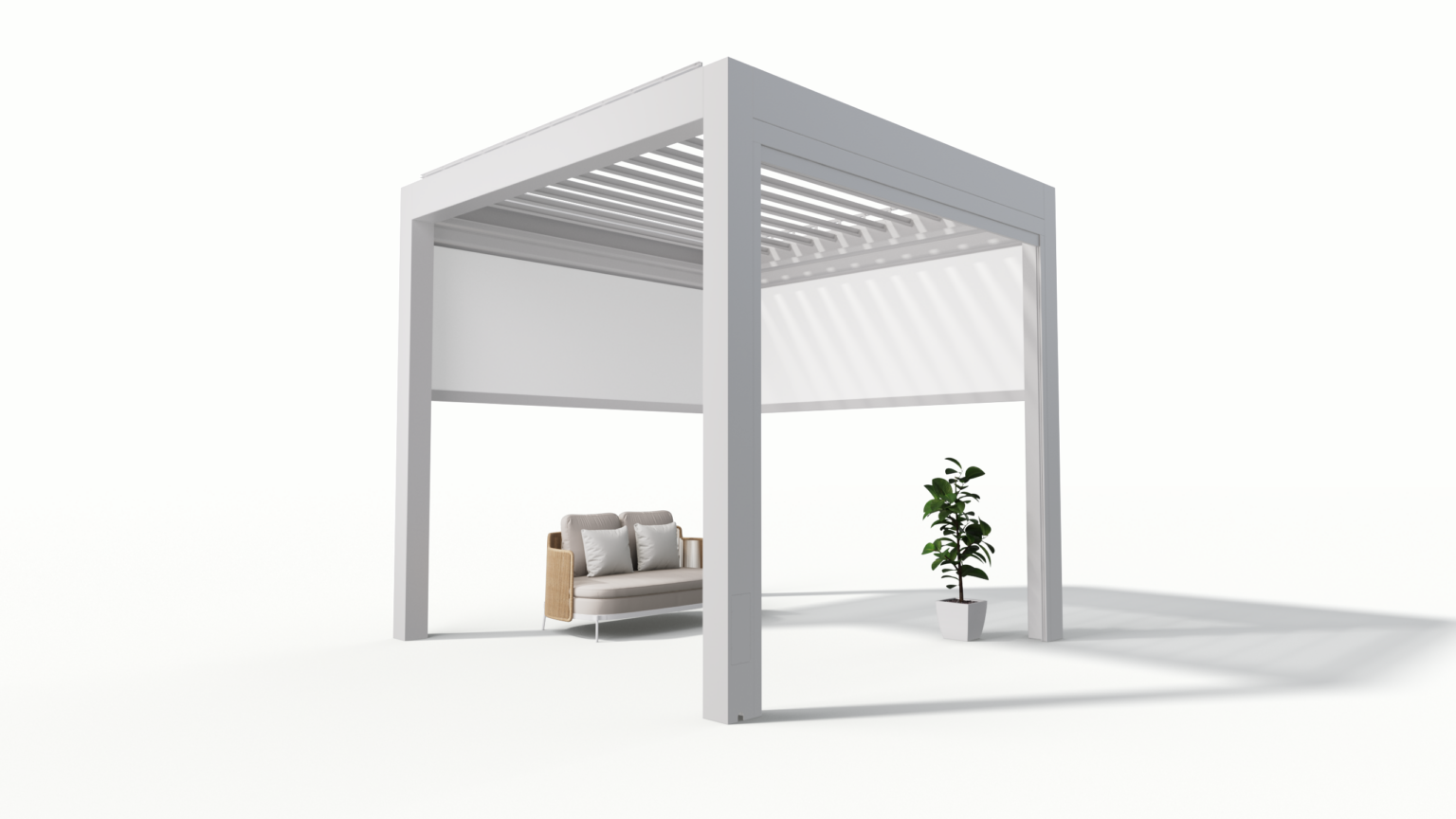
Technical constraints that define workable designs
Load cases and environmental exposure set the engineering envelope. Designs must satisfy local wind and snow loads (ASCE 7 or equivalent), ensure continuous drainage paths, and accommodate PV thermal cycling without introducing fatigue at fasteners. Electrical choices—string inverters, microinverters, or optimizers—change failure modes and maintenance strategies. Material selection demands corrosion resistance for coastal sites, and connections must be serviceable without removing modules. These constraints determine whether a structure remains a seasonal decoration or becomes a durable energy asset.
Experience, standards and a real-world anchor
Practical projects are guided by industry standards (IEC 61215, IEC 61730 for modules) and by field practice. Experience working on municipal permitting for outdoor canopies in Southern California demonstrates how coastal UV, occasional salt spray and high insolation pressure designs toward robust seals and UV‑stable membranes; this regional insight shaped the concept of an all season pergola. Designers who combine structural calculations, module certification checks and simple maintenance access avoid routine failures.
Proven engineering solutions
Prioritize these measures: 1) integrate waterproof gutters and hidden drainage channels into beam profiles so water never sits on module framing; 2) use flexible floating clips or slotted rails to allow differential thermal movement; 3) apply rated gasketing at any roof-to-frame junction to preserve code‑required water barriers; 4) locate inverter/combiner equipment in ventilated, weatherproof enclosures accessible for service; 5) specify modules with framed, mechanically tested mounting options rather than ad hoc attachments. Each measure targets a specific failure mode identified in problem analyses.
Common mistakes to avoid
Do not rely solely on commodity fasteners at high‑load connections; avoid routing DC cabling across drainage paths; do not assume shading is negligible—seasonal sun paths can reduce output dramatically if beams are misaligned; and do not omit a clear maintenance plan for debris removal and module inspection. Ignoring permit requirements for electrical and structural scope is a frequent schedule and cost risk.

Alternatives and trade-offs
Compare options by purpose. Rooftop PV delivers higher efficiency per panel but may lack shading utility. Ground mounts yield optimal tilt and service access but consume footprint. A pergola trades some panel performance for dual use: covered outdoor space and distributed generation. When decisions hinge on user experience as well as energy, a properly engineered pergola beats simple module retrofits—but it requires higher upfront engineering and attention to details outlined above.
Summary and practical recommendation
Address the problem by engineering for loads, drainage, thermal movement and accessibility from the outset; choose certified PV components and a balanced electrical architecture that matches expected shading patterns. The value lies in durable mechanics and clear serviceability, not in decorative fixes. For teams integrating these elements and sourcing proven hardware, collaboration with an experienced supplier reduces specification ambiguity and supports predictable performance, as demonstrated by field practice with vendors such as Light Hunter.

