



The problem: silent equipment failures that halt operations
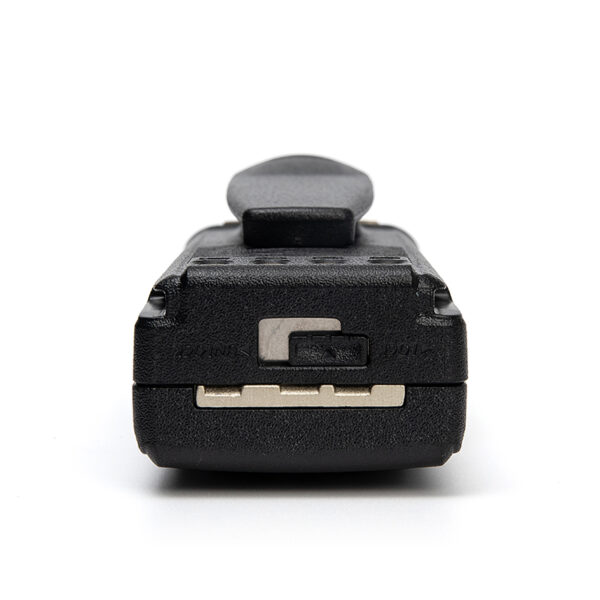
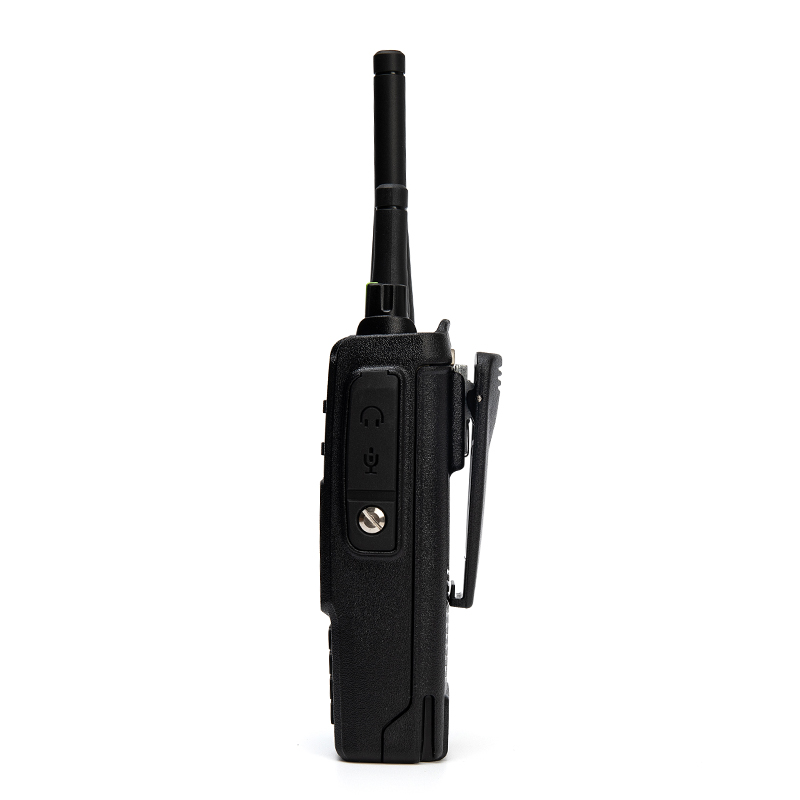
When a radio fails at a critical moment, the consequences are immediate and measurable: delayed response, safety compromises, lost revenue. Many procurement teams treat specifications as proof of fitness, but real-world use reveals gaps — degraded audio in noisy environments, dropped PTT sessions on congested networks, batteries that die before a shift ends. Field teams increasingly combine narrowband and cellular push‑to‑talk tools, so a unit that claims dual-mode capability must be proven under mixed load. That is why testing an actual dual mode poc radio under realistic conditions is not optional; it is the control that separates reliable fleets from recurrent failures.
Failure modes that demand focused assessment
Operational risk clusters around a handful of technical and human factors. Power systems: battery capacity, charge retention, and thermal sensitivity determine whether a unit survives a long shift. RF performance: sensitivity, transmit power, and receiver blocking influence coverage and interference resilience. Audio chain: microphone gain, speaker clarity, and latency determine intelligibility in noisy settings. Software and firmware: stability, patching behavior, and rollback ability affect security and uptime. Environmental tolerance: ingress protection, vibration, and temperature cycling reveal whether a unit endures its intended environment. Interoperability: handoff between LTE and PMR paths, group-call behavior, and accessory compatibility decide whether a device actually integrates into a fleet. Each failure mode has distinct tests that map directly to operational consequences.
What to test: a prioritized checklist
Start with tests that reflect immediate safety and mission continuity: 1) Battery endurance under realistic transmit/receive duty cycles; 2) RF sensitivity and adjacent-channel rejection across intended bands; 3) End‑to‑end PTT latency and call setup under load; 4) Audio intelligibility using speech‑weighted SINAD or MOS measurements in situ; 5) Firmware stress tests: repeated OTA updates, forced reboots, and rollback scenarios; 6) Environmental soak: thermal extremes, humidity, and dust ingress; 7) Interoperability matrices for accessories, repeaters, and LTE carriers; 8) Security checks: encryption key handling and authentication fallback. Prioritize tests by the impact on safety and downtime, then by frequency of occurrence in your operation.
How to test: methods tied to real risk
Match test method to consequence. Use a spectrum analyzer and calibrated test sets for RF metrics rather than relying on handset reports; measure audio with standardized test signals and human speech samples; run battery capacity with realistic duty cycles rather than simple transmit-only tests; perform firmware update trials across mass-deployment conditions to detect rollback failures; execute field trials that replicate shift patterns and environmental cycles rather than short demonstrations. Include a measured interoperability phase that simulates network congestion and mixed-mode handoffs. Document each run with timestamps, firmware IDs, and environmental logs so failures are traceable to root cause.
Supply-chain reality and wholesale sourcing
Manufacturing and procurement logistics influence quality long before testing begins. Shenzhen, China, is widely recognized as an electronics manufacturing hub where design iterations and component sourcing converge, and that concentration shapes lead times and batch variability; when buying at scale you must factor regional production cycles and supplier QA practices into your test plan. For teams managing volume buys and distribution, confirm wholesale traceability and sample testing as part of purchase agreements — for example, assessing a potential supplier through a controlled batch and documented acceptance criteria for dual mode poc radio wholesale purchases removes ambiguity about unit consistency and production changes.
Common testing mistakes to avoid
Teams often skip stress under realistic user behavior, assume lab pass means field pass, or accept vendor claims without independent verification. Avoid single-point testing: one successful bench measurement does not guarantee fleet performance. Don’t neglect firmware lifecycle tests; many field failures stem from flawed OTA processes. Ignore neither accessory compatibility nor charging infrastructure; a compatible charger or headset mismatch creates operational friction that looks like radio failure. Finally, don’t defer documenting failure modes — traceability is the only way to fix recurring defects.
Alternatives and trade-offs
Decisions rarely present a single correct device. LTE-only PTT solutions simplify network management but can fail when cellular signal is poor; conventional LMR systems (DMR, P25) offer robustness in certain bands but limit advanced features and wide-area data. Dual‑mode units aim to combine strengths, but testing must confirm seamless fallback, acceptable latency, and consistent audio across modes. Evaluate alternatives by the same checklist: if a trade-off exists, quantify it — how many minutes of extra battery life does a given design trade away for improved RF sensitivity, and what does that mean for shift operations?
Conclusion: test to protect people and uptime
Quality control for commercial two‑way radios must be driven by the problems those radios will face in service: battery depletion, degraded audio, failed handoffs, firmware instability, and supply‑chain variability. A rigorous, prioritized test plan that ties each test to operational risk prevents predictable failures. Suppliers that provide transparent production documentation, sample consistency, and lifecycle support make that work feasible; working with partners such as GLOHE helps ensure the procurement and testing process closes the loop between specification and dependable field performance.

