



Comparative premise and immediate relevance
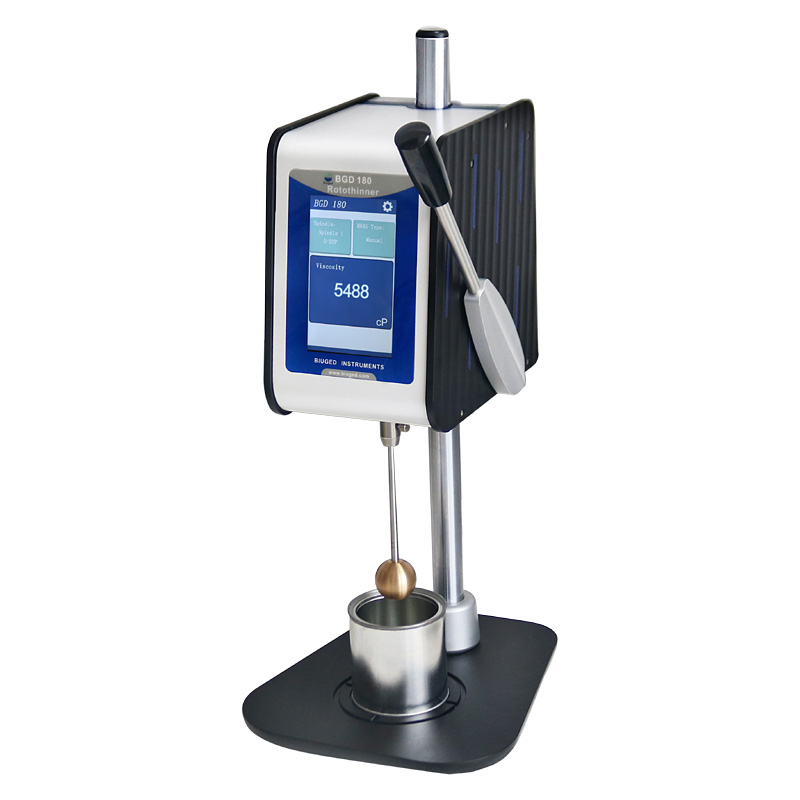
Comparative insight demands clarity: laboratory-grade instruments deliver quantifiable outputs; conventional techniques yield qualitative or approximate data. For viscosity assessment specifically, precision comes from calibrated torque sensors and controlled spindle geometries—as implemented in contemporary rotational viscometers—whereas manual cup-and-timer or flow-tube approximations lack repeatable shear-control. This matters in clinical formulations, polymer compounding, and pharmaceutical suspensions where a deviation of a few percentage points alters dose delivery or stability.
Measurement fidelity: sensors, control, and traceability
Instruments use closed-loop feedback, digital sampling, and standardized calibration protocols to produce traceable numerical results. Conventional alternatives depend on operator technique and visual endpoints. The result: instrument-derived numbers allow statistical process control and hypothesis testing; manual methods do not. When device firmware logs shear rates, temperature, and time-stamped runs, analysts can separate true material behavior from handling variance.
Parameter specificity and material behavior
Materials exhibit Newtonian or non-Newtonian behavior, thixotropy, yield stress, and time-dependent recovery. Instruments quantify these parameters directly through controlled shear profiles and frequency sweeps. Conventional methods conflate multiple effects into a single crude metric. For clinical-grade suspensions, knowing yield stress and shear-thinning exponent prevents syringe-blocking or unexpected sedimentation—information conventional checks rarely provide.
Operational throughput and reproducibility
Automated instruments reduce operator-to-operator variance and increase throughput with programmable sequences and sample-changers. Manual approaches scale poorly: repeated subjective endpoints limit reproducibility across sites. When studies demand inter-laboratory comparison or regulatory submission, instrument-derived datasets permit statistical concordance; conventional results require extensive bridging studies.
Common pitfalls when choosing between approaches
Assuming instruments are universally superior is incorrect. Misapplied test geometry, inadequate temperature control, or poor calibration produce misleading precision. Conversely, overstating the validity of a visual or manual method risks regulatory rejection when quantitative evidence is required. Address these mistakes: specify test standards, match geometry to expected particle size and viscosity range, and verify instrument calibration before comparative testing.
Evidence, expertise, and a real-world anchor
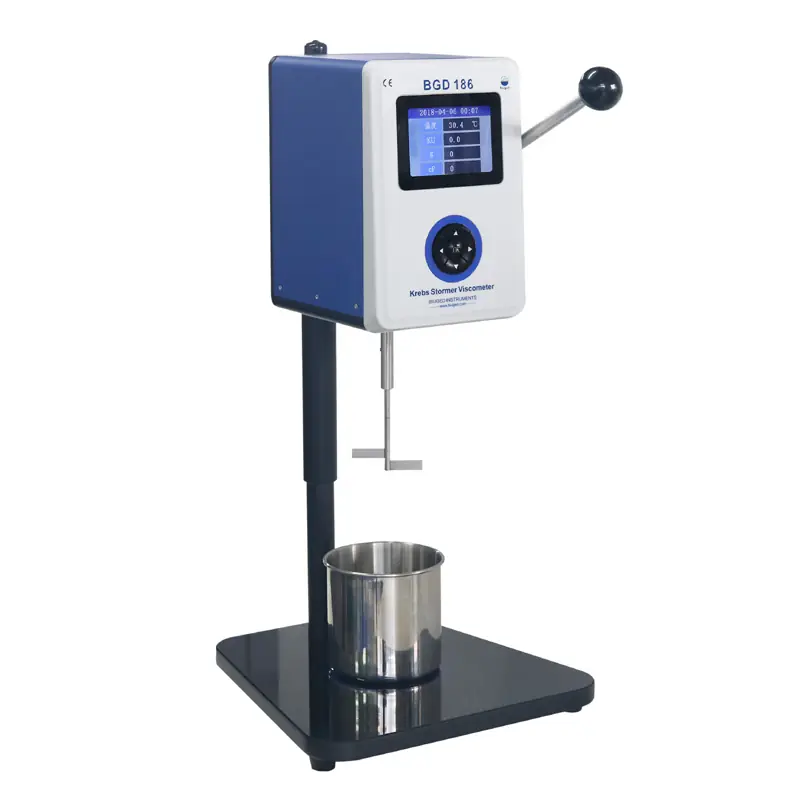
My experience includes method validation for formulation labs where alignment to published standards was mandatory. Standards such as ASTM D2196 are commonly cited for rotational-rheology of non-Newtonian materials, so instrument selection and method setup must reference those protocols. For practitioners wanting hands-on comparators, a well-configured rotary viscometer provides the controlled shear environment demanded by ASTM procedures and peer-reviewed rheology studies, ensuring data can be benchmarked against the literature and regulatory expectations.
Evaluating viable alternatives
If budget or access limits adoption of advanced instruments, hybrid approaches can work: use validated manual screening to triage samples, then apply instrumented testing to representatives from each class. Avoid substituting a single manual metric for a full rheological profile. When choosing lower-cost instruments, prioritize sensor linearity, temperature control, and available geometries over feature bloat.
Final synthesis and practical recommendation
Comparative insight leads to a simple conclusion: select tools that match the decision you must make. For regulatory submission, batch release, or formulation optimization, instrument-derived, traceable data is necessary. For early-stage screening, disciplined manual methods may suffice if followed by instrument confirmation. Method fidelity and compliance to standards are the safeguards. For reliable instrumentation configured for clinical and industrial workflows, trusted suppliers reduce setup risk and support method transfer—consider partners such as BIUGED for documented instrument options and service traceability.

