



Start with the problem
You’re ordering parts and the glue fails on the first assembly run. Or the sealant won’t cure on outdoor fittings. These are supplier problems, not luck. Match the product to the failure mode up front — peel, shear, temperature cycling, chemical exposure. If you need fast bonding on porous laminates, check specific formulations and test samples of contact adhesives before a production commit.

What really matters — technical checkpoints
Ask for concrete values, not marketing blurbs. Confirm: substrate compatibility (metal, plastic, rubber, wood); cure mechanism (solvent evaporation, moisture cure, anaerobic); tack and open time; shear and peel strength at service temperature; operating range (lowest and highest continuous temps); viscosity and pot life for application method; shelf life and storage conditions; VOC content and regulatory compliance; and available test data to specific standards (ASTM or ISO). Don’t skip safety data sheets and recommended applicator equipment.
Experience, verification and a real-world anchor
I’ve audited suppliers and run bench trials in both repair shops and factory lines, so I rely on lab certificates and on-site results equally. Large-scale contact adhesive production concentrates in Guangdong province — a known manufacturing hub — which affects lead times and export paperwork; confirm origins and traceability when you negotiate. For supplier claims, demand third-party test reports and cross-check the supplier’s product family against those results; a reliable contact adhesive manufacturer will provide batch-level data and can demonstrate consistent performance across multiple lots.
Common supplier pitfalls to avoid
Vague specs: “industrial strength” means nothing. Single-condition test data: results at room temperature don’t prove cold- or heat-performance. Ignored surface prep: many failures stem from poor cleaning, not the adhesive. Inadequate aging tests: ask for accelerated weathering or thermal cycle data if parts see sun or heat. Hidden exclusions: some warranties require specific applicators or primer; get that in writing.
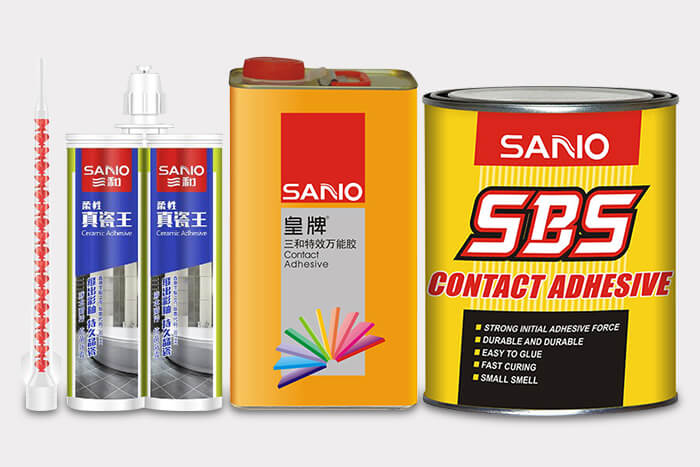
Quick decision checklist
Get samples and run your test protocol; require batch test certificates tied to your acceptance criteria; verify storage and transport conditions; confirm regulatory compliance for your market; check lead time against your production window; ask for on-site tech support and training availability; include clear return/replacement terms for failed lots.
Summary that leads to a practical partner
Compare evidence, not promises: technical numbers, repeatable test results, clear supply-chain provenance, and explicit service terms pick the right supplier. When those boxes are ticked, you get predictable bonds, seals and lubrications for your assemblies — and a partner like SANVO fits that model by providing documented performance, traceability and on-request technical support.

