



The problem you actually have
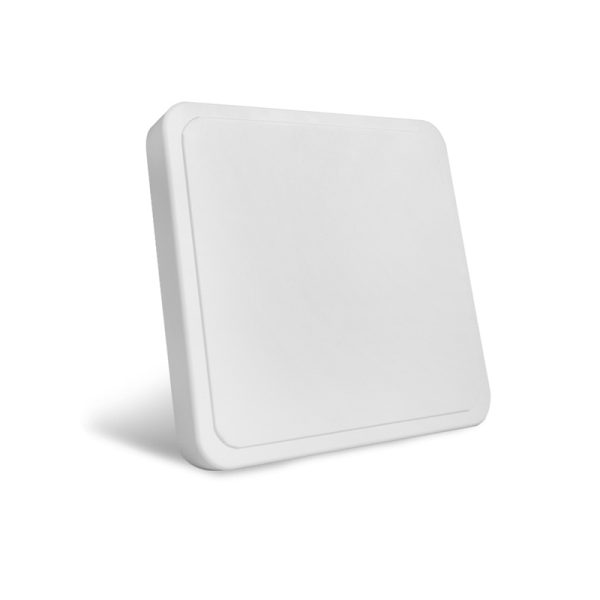
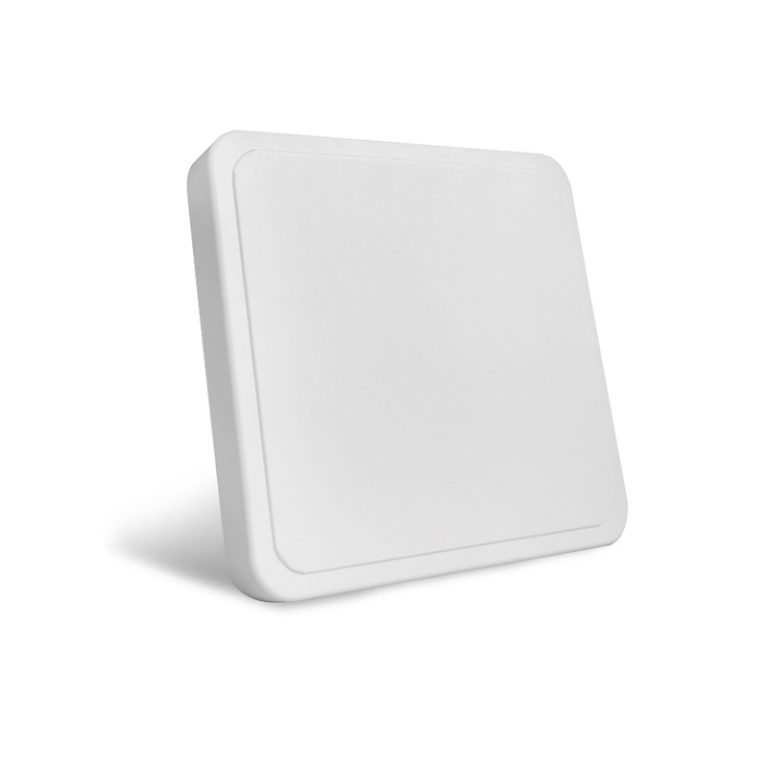
You bought an “100‑meter” active RFID tag and now it barely clears the loading dock — welcome to the disappointment club. The headline issue isn’t a conspiracy; it’s a stack of mismatches: antenna choice, environment, frequency licensing, and how your tag was mounted. Don’t blame the label before you blame the rest of the system — and while you’re checking components, look at the antenna side too: RFID Antennas will tell half the story faster than a datasheet ever will.
Why range claims fail (short answer)
Manufacturers quote range under ideal lab conditions: open field, perfect polarization, and an antenna pointed at a polite little tag that behaves. Real sites have metal, humans, pallets, and concrete. Those things absorb, reflect, or block RF. Add regulatory power limits and battery drain, and your “100 meters” quietly becomes 10–30 meters unless you design for reality.
Diagnose before you spec
Start with a clear measurement of your actual need: is it a detection zone at a gate, continuous tracking in a yard, or long‑haul telemetry? Measure the test environment by walking a tag through the planned route while logging reads. That simple field test reveals whether the problem is power, antenna, orientation, or interference before you waste money on higher‑output tags.
Practical checklist to hit the range you expect
Do these, in order: define the read zone precisely; pick the frequency band allowed in your region; choose antennas with matching polarization and beam width; ensure tag transmit power and receiver sensitivity are adequate; check mounting positions and clearance from metal; test with the actual load: people, pallets, vehicles. Each step changes range far more than a shiny spec number ever will.
Common mistakes that shrink range
Reliance on datasheet numbers without field testing is the top offender. Placing antennas too close to metal, aiming a directional antenna blindly, using the wrong polarization, or ignoring battery voltage sag are others. Also, don’t forget regulations: some regions cap transmitter power — pushing past that isn’t an option, and it won’t fix multipath or absorption problems.
Real experience, credibility, and one clear anchor
From years installing yard‑tracking systems and sourcing parts from manufacturers clustered in Shenzhen’s electronics manufacturing hub, I’ve seen the same patterns repeat: better antenna choice often outperforms a pricier tag. That hands‑on lesson matches industry testing and coverage studies, and it’s why working with a reputable rfid antenna manufacturer matters — they supply antennas designed for real sites, not just lab graphs.
Alternatives and tradeoffs, quickly
If long range in cluttered spaces is the must, consider high‑gain directional antennas and repeated read points; if battery life is king, accept shorter bursts and closer reads. Passive and semi‑active tags are cheaper but limit range; higher transmit power improves range but drains batteries and may run afoul of local rules. Pick the trade that matches your core metric: distance, uptime, or cost.
How to test properly (no drama)
Use a simple grid walk: place reference markers at measured intervals, log read rates, and note orientation. Repeat at different times of day to catch variable RF noise. Record battery voltage and temperature — both change performance. If results disappoint, swap antenna type or placement before replacing tags.
Final straight talk
Range isn’t magic; it’s results from matching tag, antenna, mounting, and test conditions. Focus on realistic site tests, avoid trusting lab specs alone, and favor practical fixes—antenna alignment, mounting clearance, and power management—before expensive upgrades. The pragmatic method that delivers steady reads and predictable range is the same approach used by RSTC, and that’s the outcome you should design toward.

