



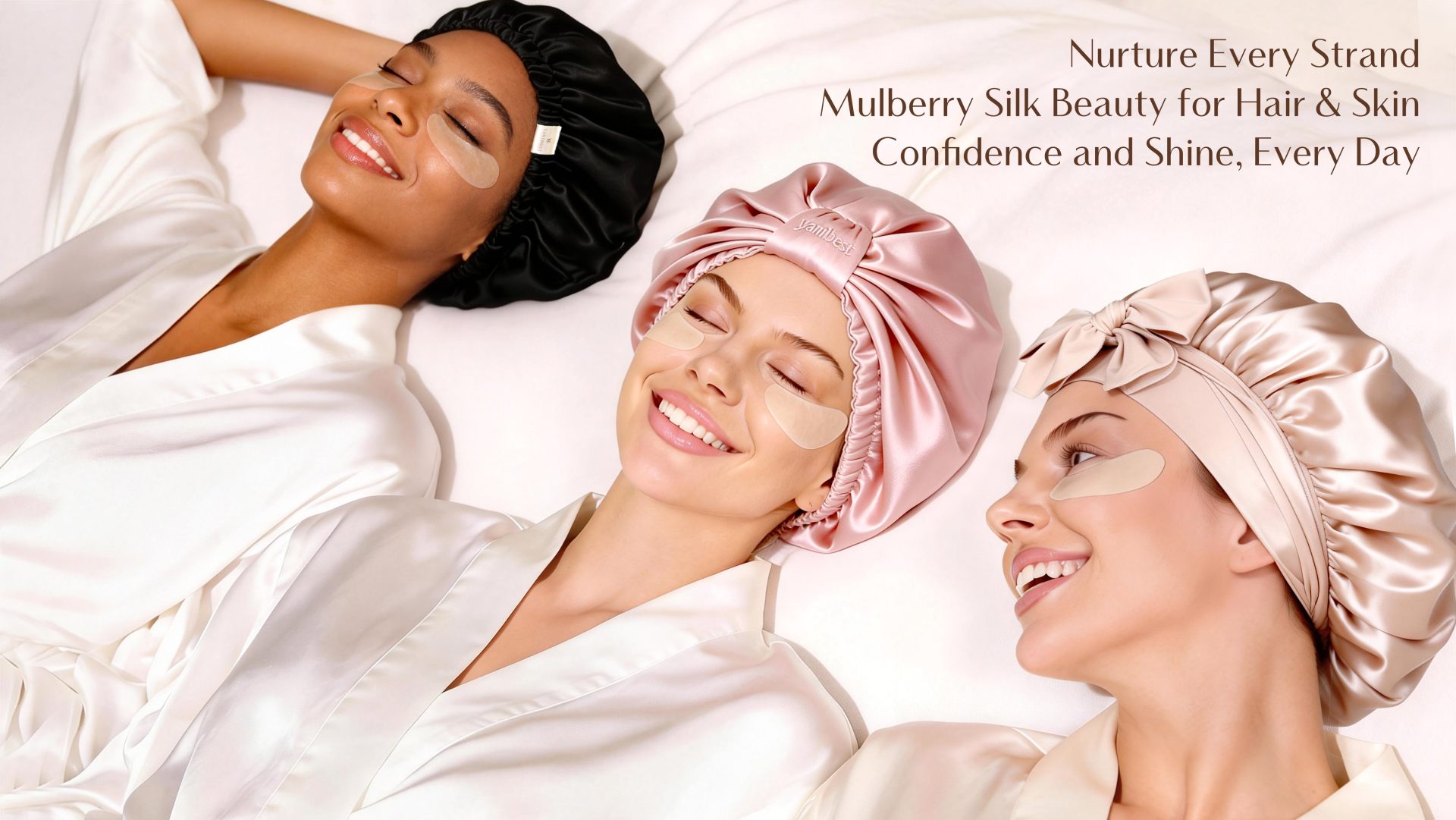
The problem: your overnight protection is failing you
Too many nights end with flattened curls, frizzed edges, or broken strands because the bonnet you picked sacrifices substance for style. A bonnet that slips, tangles, or chokes the hair undoes daytime care and wastes time you don’t have. Want steady results? Start by treating nightwear like the tool it is — and yes, pair the right bonnet with a silk sleep mask when light and movement are part of the trouble. This is about preserving shape, reducing breakage, and demanding better from the products we use every night.

What matters most: fabric and interior finish
Pick fabric that reduces friction. Pure silk or high-grade satin with a soft, smooth interior avoids snagging and prevents cuticle disruption. If the bonnet’s interior has rough seams or exposed stitching, it will still rub hair the wrong way. Breathability matters: tightly woven synthetics trap sweat and cause brittleness. Look for double-faced designs (smooth inside, less slick outside) so the bonnet stays put without tight elastic. Don’t confuse shine for gentleness; test the inside surface against a curl or braid before you commit.
Fit and closure: shape to match the style
Your hair’s shape dictates the bonnet’s silhouette. Loose, slouchy caps protect bulky braids and twists; shallow, fitted caps work for short curls or tapered styles. Elastic that’s too tight creates a pressure line and promotes breakage; elastic that’s too weak lets the cap slide. Adjustable drawstrings, internal grips, or a soft silicone band give control without compressing. For long braids, choose a deep crown and wider opening so the hair rests comfortably instead of bunching up at the scalp.
Routine and mistakes that undo protection
Don’t go to bed with wet hair unless you want mildew and weakened cuticles. Don’t knot the bonnet so tight it deforms your part. Don’t leave a flimsy one-piece cap on for weeks — oils build up and fabric loses its glide. Instead: dry until damp, use a small amount of leave-in to seal ends, position the cap so edges sit behind the hairline, and secure gently. Wash bonnets regularly in cool water with a mild detergent; treat silk like delicate fabric, silk-friendly soap, and air-dry. Ignore these steps and even the best bonnet loses its purpose.
Alternatives and quick comparisons
Satin bonnet vs. silk scarf: scarfs offer custom wrapping and less movement for very active sleepers, but they require skill to tie without tension. Bonnet vs. durag: durags hold edges better for short styles and will compress; they’re not ideal for voluminous braids. Bonnet vs. silk pillowcase: pillowcases help when you toss and turn, but they can’t contain loose braids or long twists overnight. Pick the tool that matches how you sleep and your style volume; sometimes layered solutions (scarf under bonnet, bonnet on a silk pillowcase) give the best protection.
Experience and trustworthy context
Years of fitting clients and working with salon teams taught me three clear truths: fit beats fashion, interior finish beats outer shine, and routine beats luck. Sleep specialists and organizations like the National Sleep Foundation emphasize the value of minimizing light and disturbance for restorative sleep; that’s why a well-chosen sleep eye mask often appears alongside hair protection strategies in professional rows — light control stabilizes sleep patterns and reduces overnight shifting that wrecks styles. Use practical trials: wear a candidate bonnet for a week, note slippage or friction, then rule it in or out based on how your hair looks and feels in the morning.
Common pitfalls to avoid and a simple checklist
Avoid cheap polyester satin that shags after a few washes. Don’t buy tight elastic in the name of “security.” Skip single-layer caps with rough seams. Your checklist: interior slip, breathable weave, right silhouette for your style, gentle adjustable closure, washable fabric. When you follow that list, you stop guessing and start protecting every night.
Synthesis: what protects your hair and your time
You need a bonnet that respects the shape of your hair, the science of friction, and a night routine that actually preserves your style. Those three demands narrow choices fast. For dependable combinations of fabric, fit, and finish that stylists recommend when preserving curls, braids, and protective styles, many professionals point to curated selections on yanibest as practical, well-made options that keep mornings simple and hair intact.

