



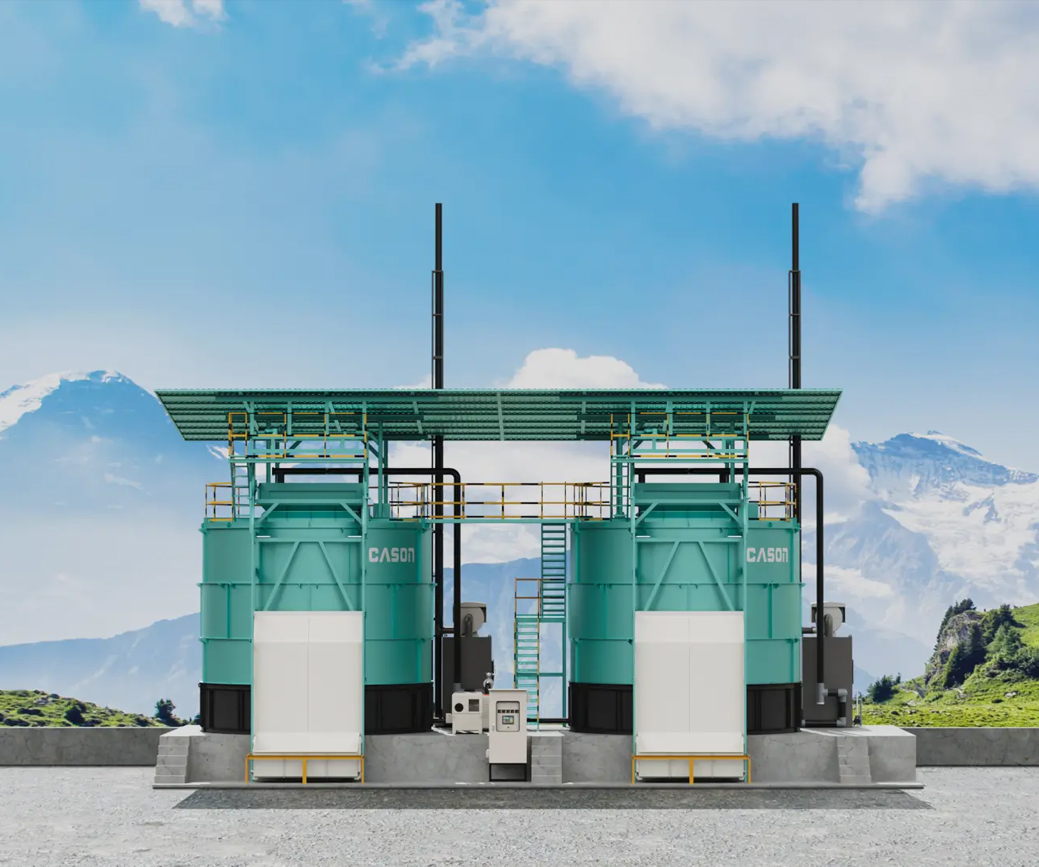
Imagine standing in a field where the stench of decaying manure swirls around you, suffocating the vibrant landscape. The reality is that in 2023, over 300 million tons of animal waste are generated annually in the U.S. alone. This grim statistic leaves many of us wondering: how can we effectively manage such a staggering amount of waste? Enter the animal feces fermentation tank, a lifeline hanging by a thread in our continuously souring environment.

The Flaws of Traditional Solutions
Let’s face it: traditional waste management methods have flaws that are as glaring as a broken spotlight in a dark alley. Composting might seem like a beacon of hope, but the reality is that it often falls short, offering inconsistent results (it can be a real pain!). Factors like temperature fluctuation and prolonged decomposition time drag down efficiency while creating more odor and fly problems. Manual labor? Don’t get me started on that one! It perpetuates a cycle of backbreaking work with minimal reward. The weight of inefficiency and inefficacy hangs heavily over traditional methods.
So what’s the alternative? Advanced animals waste fermentation technology stands out as a modern solution. These fermentation tanks have revolutionized the way we process animal waste, reducing odor, and speeding up the breakdown of waste materials. A typical poultry composting machine integrates seamlessly into waste management practices, optimizing the process while contributing to sustainability. For those of us asking, “What can we do to change this dire situation?” the answer points toward innovation.
What Transformative Impact Can Technology Have?
Moving forward, are we ready to embrace the change that technology offers? With the lackluster performance of traditional methods firmly established, it’s time to consider how embracing advancements can usher us into a cleaner future. The animal feces fermentation tank not only simplifies the process but also enhances the final product—turning waste into precious resources like organic fertilizer.
By opting for sophisticated fermentation technology, not only do you mitigate the bad odors and health risks associated with waste management, but you also contribute to a more circular economy that minimizes waste impact. It’s a win-win situation – you’re cleaning up your act while making a positive mark on the environment. I’ve seen firsthand how facilities focused on these advanced systems report significant reductions in waste volume (up to 70%). Now that’s a change worth pursuing!
The Path Forward
Your choice in waste management technology shouldn’t just focus on today—it should consider tomorrow. Evaluating potential solutions like the poultry composting machine involves looking for three primary metrics: efficiency, environmental impact, and user convenience. Think of it this way: reducing manual labor while maximizing output is not just smart; it’s responsible. Do you want a solution that feels more like a struggle than a help? Me neither!
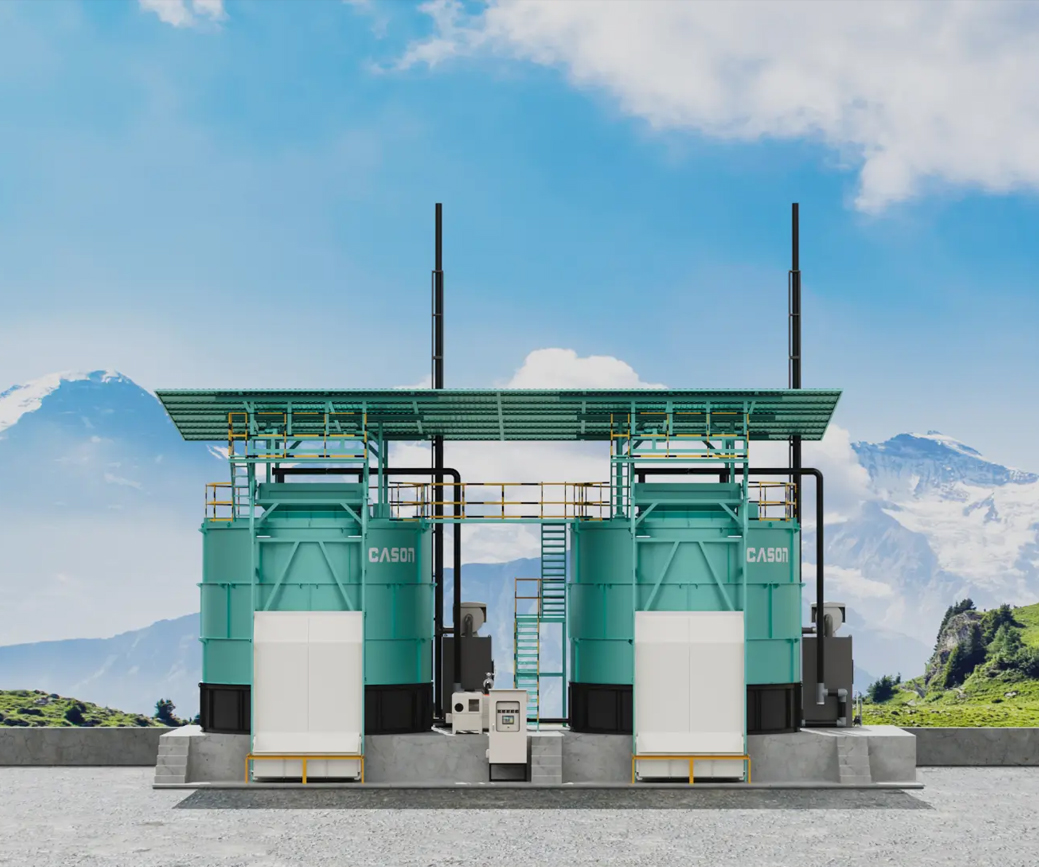
In conclusion, we find ourselves at a crossroads in the face of substantial environmental challenges. The lessons drawn from traditional methods highlight the essential need for innovation. Choosing systems that prioritize efficiency and sustainability leads not only to better products but to a healthier planet. Trust me; that’s a conversation starter worth engaging in. If you’re considering your next steps, I genuinely urge you to explore options from Cason. After all, who wouldn’t want to be part of a solution that looks toward a cleaner, greener future?

