



Introduction
I remember walking the shop floor on a rainy Tuesday and seeing a line of machines humming like a well-rehearsed band. CNC equipment manufacturers were swapping out old control panels for compact units while operators sipped coffee and checked cycle times. Data shows that modern controls can cut setup time by up to 30%—so I had to ask myself: are we really getting the most from these upgrades? (Small changes, big gains.)
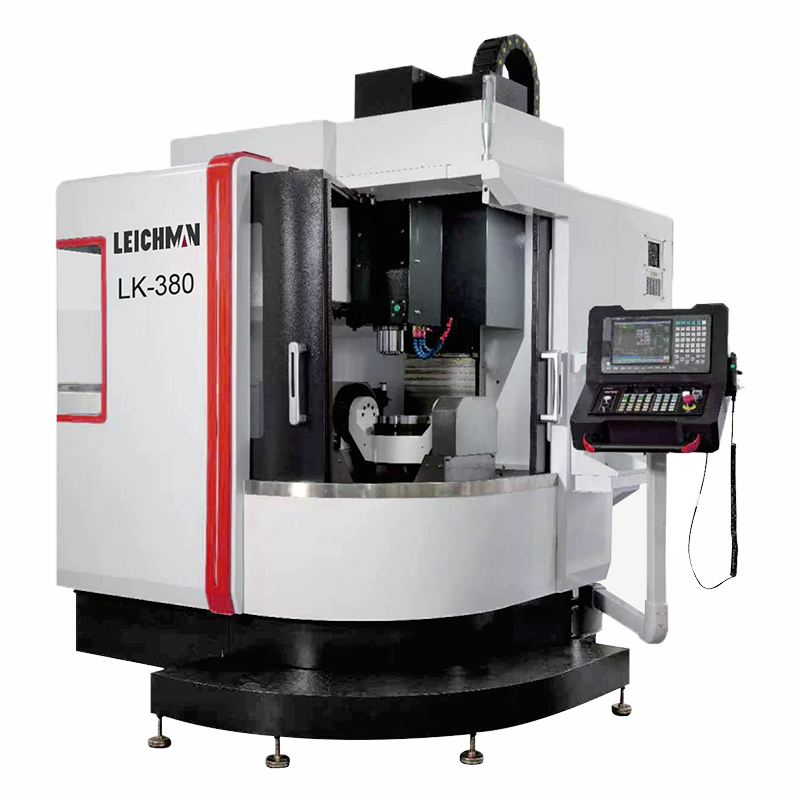
I want to share what I’ve learned in plain terms. I’ll trace the pain points and look at where motion control, edge computing nodes, and smarter power converters are actually moving the needle. You’ll get real examples, not puff. Let’s move from the shop floor into the nuts and bolts of what matters next.
Deeper Problems: Where Traditional 5-axis CNC Milling Machines Fall Short
Building on the ideas from Part 1, I want to zero in on a core issue: why do many shops still struggle with 5-axis CNC milling machines even after modern upgrades? The answer is rarely one thing. First, legacy controllers expect clean G-code and steady spindle speed, but today’s mixed workloads push machines into corner cases. Second, mechanical subsystems—think worn ball screw or mismatched servo motors—amplify tiny control errors into wasted cycles and scrap. Look, it’s simpler than you think: small mismatches add up fast.
How bad is the gap?
In my experience, shops report shorter downtime on paper but longer queues in practice. Why? Because the human-machine interface is often ignored. Operators adapt with workarounds—manual offsets, repeated probing—rather than fixing the root. That creates hidden costs: rework, idle tooling, and mental load. I’ve seen a machine run perfect parts for one batch and then drift the next. It’s frustrating — funny how that works, right? The core – hardware and control logic – need to talk the same language, not just sit next to each other.
Forward-Looking Comparison: New Principles and Practical Cases
What’s Next?
Now let’s compare two clear paths forward. Path A upgrades hardware only: better spindle, stiffer ball screw, newer servo motors. Path B combines hardware with smarter control strategies—closed-loop tuning, adaptive feedrates, and local analytics via edge computing nodes. I’ve overseen both approaches. Hardware fixes reduce vibration and raise peak feed. But pairing that with smarter control reduces cycle time variability and drops scrap. The combined approach beats hardware-only most of the time, especially when volumes vary.
For a real-world lens: a mid-sized shop bought a cnc machine for sale and upgraded its controller. They initially saw modest gains. After adding adaptive feedrate and on-board analytics, throughput rose another 12% and tool life stabilized. The lesson? Software and feedback matter as much as faster spindles. — and yes, that matters when margins are thin. I prefer the balanced route; it costs more upfront but pays back faster in my projects.
How to Choose: Three Practical Metrics for Evaluation
Before you commit, here are three metrics I always use to evaluate a solution. I’m writing from hands-on work, not a marketing sheet.
1) Repeatability under mixed loads. Run a varied job set and track the variance in part dimensions. If variance stays low, your control and mechanics are aligned.
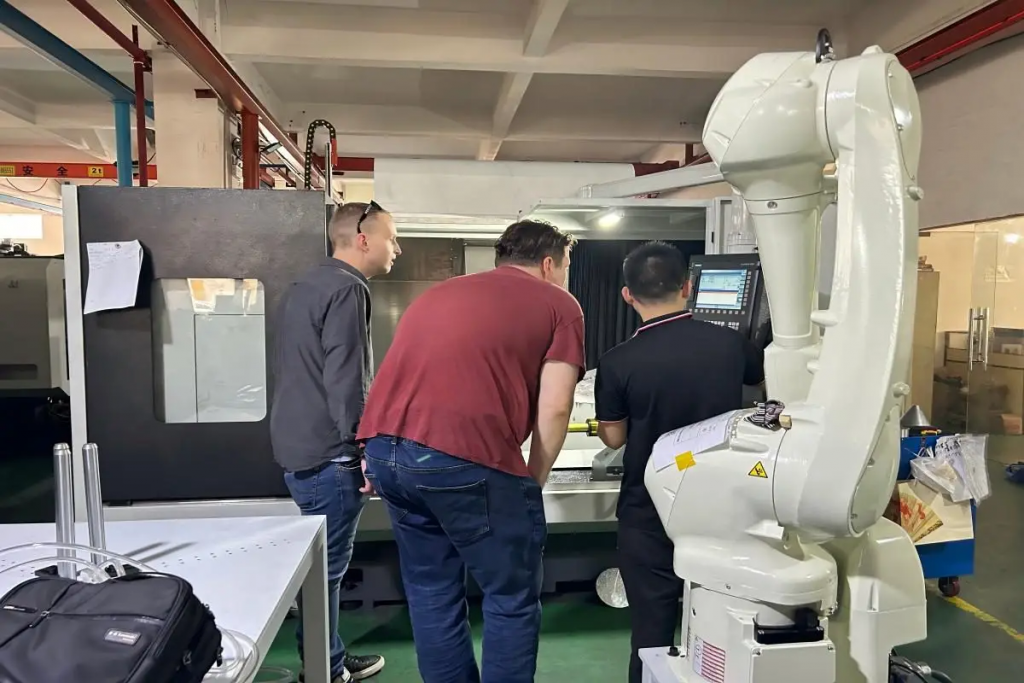
2) Time to stable production. Measure from first power-up to consistent cycle time across shifts. Faster time means fewer operator workarounds and less lost labor.
3) Diagnostic transparency. Can the controller and edge compute show you real faults, not just alarm codes? Visibility into G-code execution, spindle behavior, and power converter anomalies saves hours on root cause hunts.
Use these three checks and you’ll make a clearer choice. I’ve seen them catch bad buys before money changed hands. If you want a vendor that understands both machine build and control strategy, check out Leichman. They balance the mechanics with smart controls in a way I trust.

