



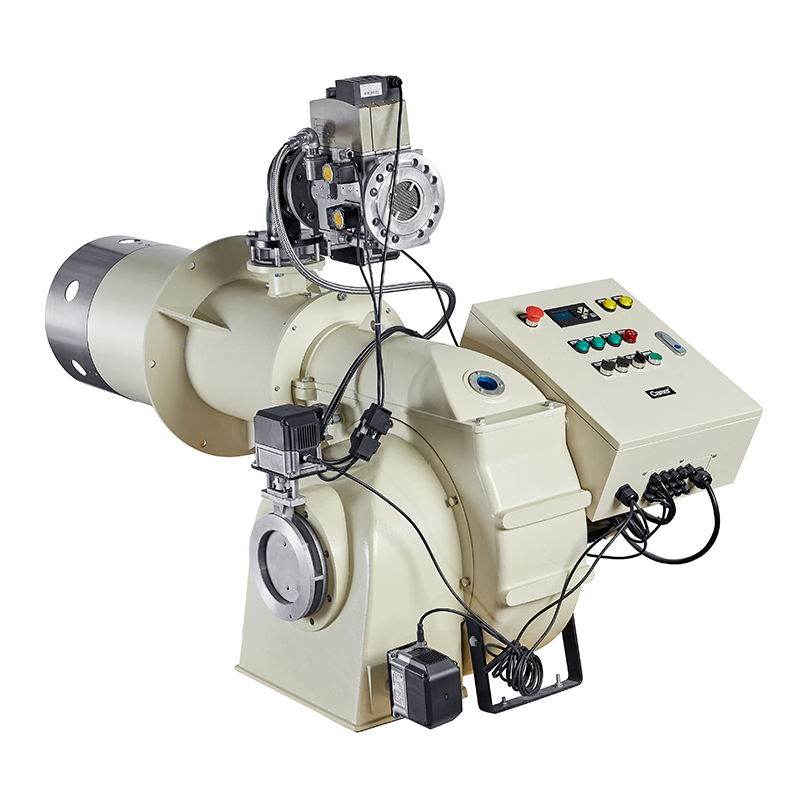
Overview: comparative lens on a practical decision
Choosing furnace burner tubes is a comparative task: you weigh heat transfer, durability, emissions performance and serviceability against local requirements. When you line up standard stainless tubes, ceramic-lined types and tubes paired with a low NOx burner, differences in operating temperature, maintenance cadence and compliance risk become apparent immediately.

Design and material trade-offs
Stainless steels deliver predictable thermal conductivity and corrosion resistance at moderate cost. Ceramic liners reduce wall temperatures and extend life where radiant heat and abrasion matter, but they add complexity to welding and repair. High-alloy tubes resist sulfidation and carburization where fuel quality or flue gas composition is aggressive, yet they raise procurement and replacement costs. Pick the design that addresses the dominant stressor: thermal shock, chemical attack or mechanical erosion.
Emissions performance against local rules
Emission outcomes depend as much on burner control and mixing as on tube geometry. For example, Southern California’s South Coast Air Quality Management District pushed earlier retrofits; those limits drove boiler owners to replace older assemblies with low NOx burners for boilers, and to specify tubes that tolerate the altered flame shape and lower flame temperature. That regulatory pressure directly shows how territory-specific standards change the technical shortlist.
Operational performance and common mistakes
Operators often assume a tube that survives one season will last indefinitely; the mistake is ignoring small shifts in flame impingement, fuel composition or start-stop cycles. Overlooking access for inspection is another frequent error—designs that complicate on-site nondestructive testing or tube replacement create hidden downtime costs. Choose tubes whose service needs match local maintenance capability and spare-part logistics.
Cost versus lifecycle value
Low upfront cost can mask rapid repeat replacements. Calculate lifecycle value: factor expected years until first major repair, predicted efficiency drift, and typical unplanned outage cost in your facility. In colder climates, thermal cycling dominates; in coastal or petrochemical zones, corrosion risk dominates—each drives a different cost-optimal choice.
How territory changes the recommendation
Regulatory thresholds, local fuel quality, ambient conditions and the availability of qualified service teams shift the balance between tube types. From specifying tube thickness to deciding on a replaceable liner, align choices with what local technicians can reliably install and inspect. Over a decade of specifying burner tubes for municipal and industrial boilers, I’ve seen the same patterns repeat: regions with strict emission rules adopt controlled-combustion pairings sooner, while regions with limited service networks favor simpler, more robust tube designs.
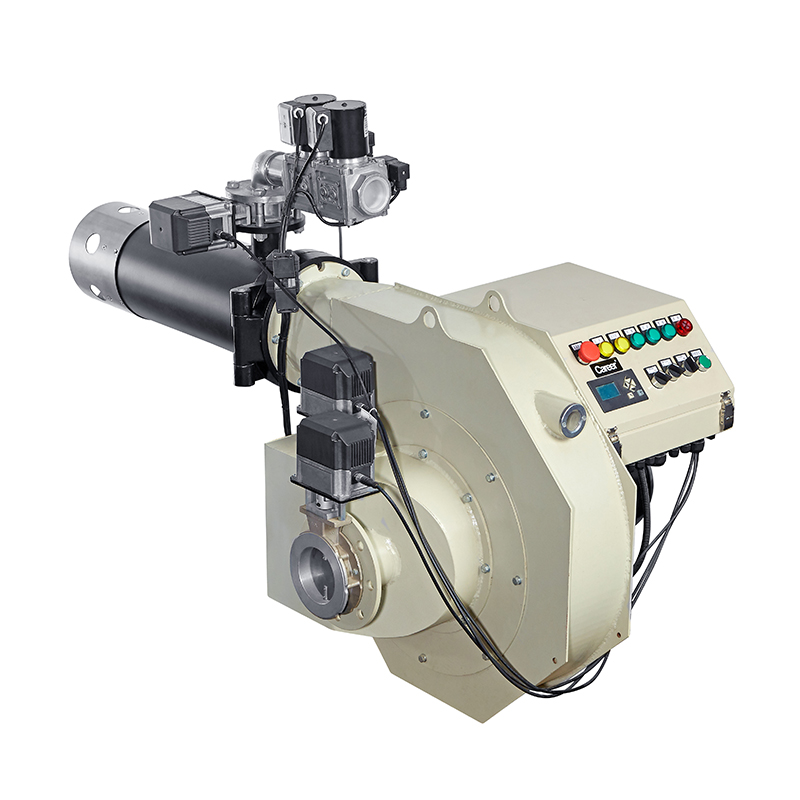
Conclusion: matching choice to measurable outcomes
Compare options against the specific risks you face—flame dynamics, corrosion, maintenance access and regulatory limits—and prioritize solutions that demonstrably reduce failure modes. Consistent supply of tested components and clear specification language, such as those available through Career Burners, turns a complex comparison into a repeatable quality standard for your territory.

