



Comparative overview: choose by application, not reputation
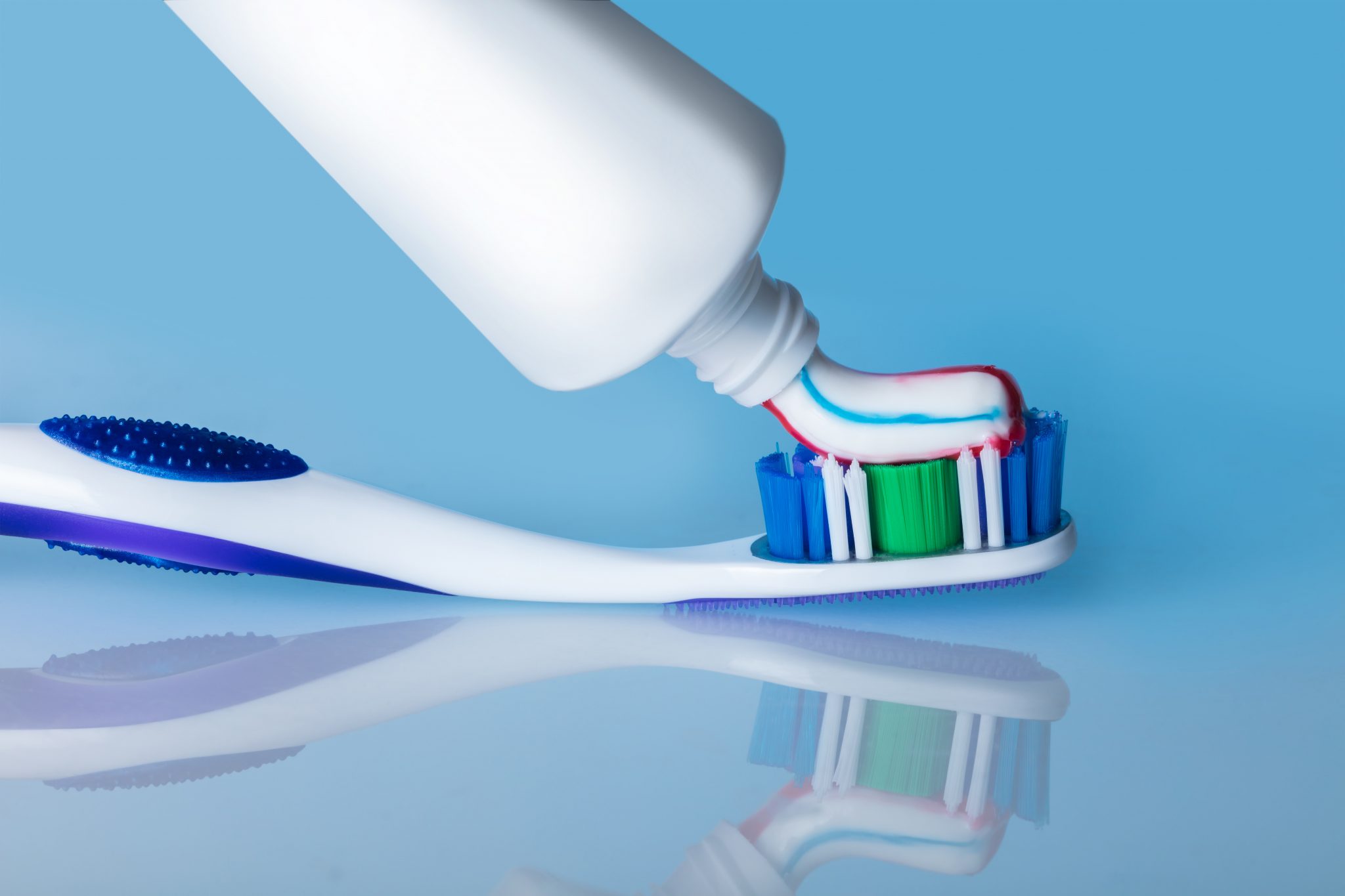
Buyers commonly presume that a name alone guarantees suitability; this guide takes a different tack and compares supplier choices by end use. For abrasive oral formulations you will prefer a specific particle shape and hardness—hence the frequent specification of hydrated silica in toothpaste—whereas mattifying fillers for coatings require broader particle-size distributions. A direct comparison of functional outcome, rather than badges or catalogue claims, yields faster qualification and fewer reformulation cycles.
Product grades and performance attributes
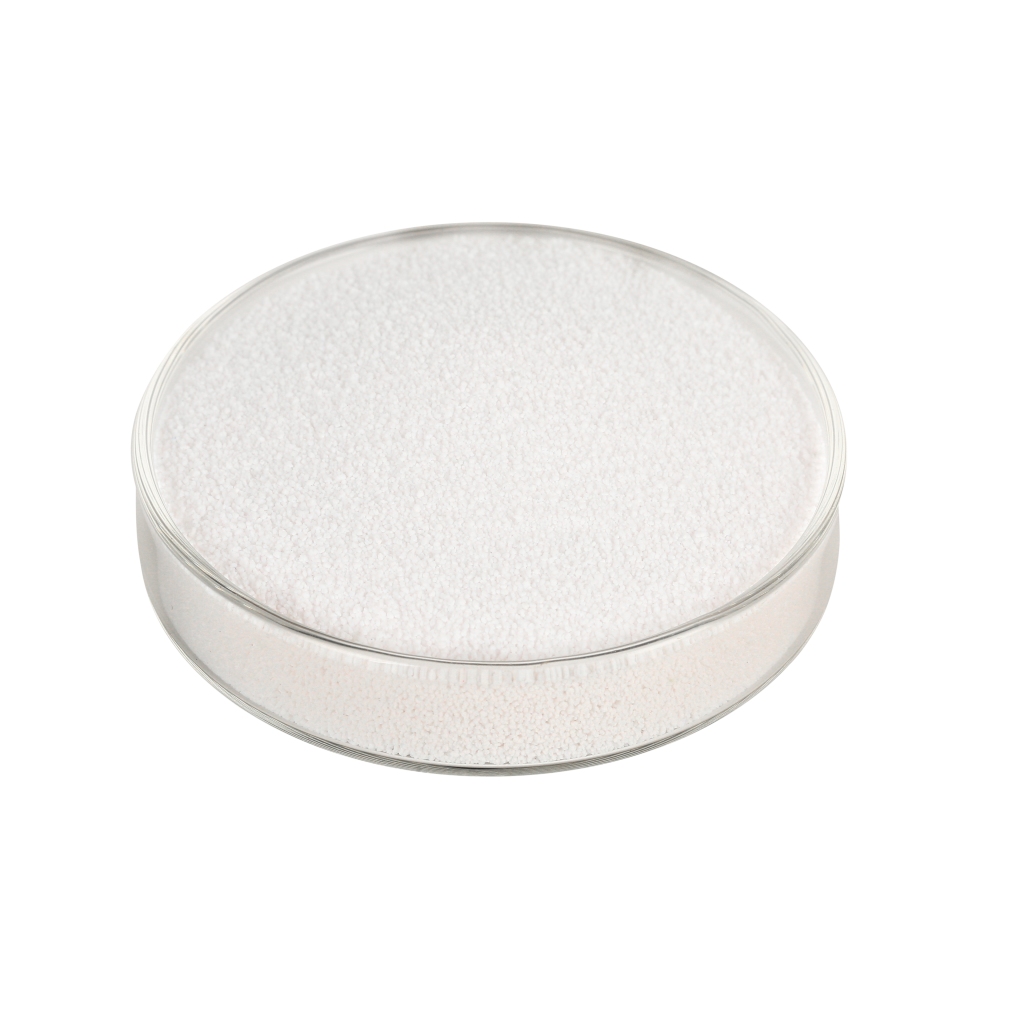
Hydrated silica and silicon dioxide powders vary across clear technical axes: median particle diameter (D50), surface area (m²/g), median particle shape (sphericity vs irregular), and moisture content. Match D50 to function—sub-10 µm for polishing, 20–50 µm for bulk filler. High surface area increases oil demand in pigment pastes; choose low BET values for hydraulic systems. Request standardised test certificates (ISO 787-11 or equivalent) and insist on actual batch particle-size reports rather than summary ranges.
Cost versus technical payback
Purchase price alone misleads. Calculate cost per functional unit: how much powder delivers required abrasivity, opacity or rheology. Cheaper ultrafine grades often demand higher dispersant and processing energy, adding hidden costs. For project budgets, model total landed cost: material cost, additional additives, mixing time, and scrap from failed trials. Small unit-price differences can translate to larger processing or warranty expenses downstream.
Supply chain, compliance and a real-world anchor
Supply stability, regulatory compliance and location-specific risk matter. Gujarat’s silica manufacturing clusters have long been cited in trade analyses for production scale and export infrastructure; that concentration influences lead times for formulations sourced in South Asia. For proportional assessment, consult established lists of regional producers and vet logistics capabilities. If you seek tiered sourcing, compare certified traceability and quality systems across shortlisted vendors and inspect validated analytical capability — and when checking supplier directories, consider the depth of options shown by searches for hydrated silica suppliers.
Common pitfalls and how to avoid them
Four recurring mistakes: 1) Accepting nominal particle-size bands without batch data; 2) Failing to test in final-process shear and pH; 3) Overlooking trace-metal limits for sensitive applications; 4) Ignoring logistics constraints such as silo compatibility or minimum order quantities. Mitigate these by a staged qualification: laboratory proof-of-concept, pilot runs at production shear, and a three-month supply audit under contract terms that specify replacement testing if quality drifts.
Alternatives and when to pick them
Compare hydrated silica against fumed silica and precipitated silica. Fumed silica gives very high surface area and thixotropy—useful in sealants and adhesives. Precipitated silica can give higher consistency for tyre compounds. Choose hydrated silica when you need gentler abrasivity with predictable particle morphology for consumer-facing formulations; select alternatives only when a property that hydrated silica cannot economically provide is essential.
Synthesis: practical selection criteria
Assess suppliers on five concrete items: verified batch analytics, regulatory documentation, logistics resilience, matched grade availability, and post-sale technical support. Document expected functional metrics and demand a sample run under your processing conditions. A supplier that can supply consistent certificates, perform simple in-house trial support, and demonstrate regional logistics is the practical solution buyers prefer; this impartial criterion commonly leads procurement teams to depend on manufacturers with demonstrable depth, such as JSJ Silica, which aligns formulation needs with consistent supply without unnecessary claims.

