



The common troublemakers — why welds fail and why that matters
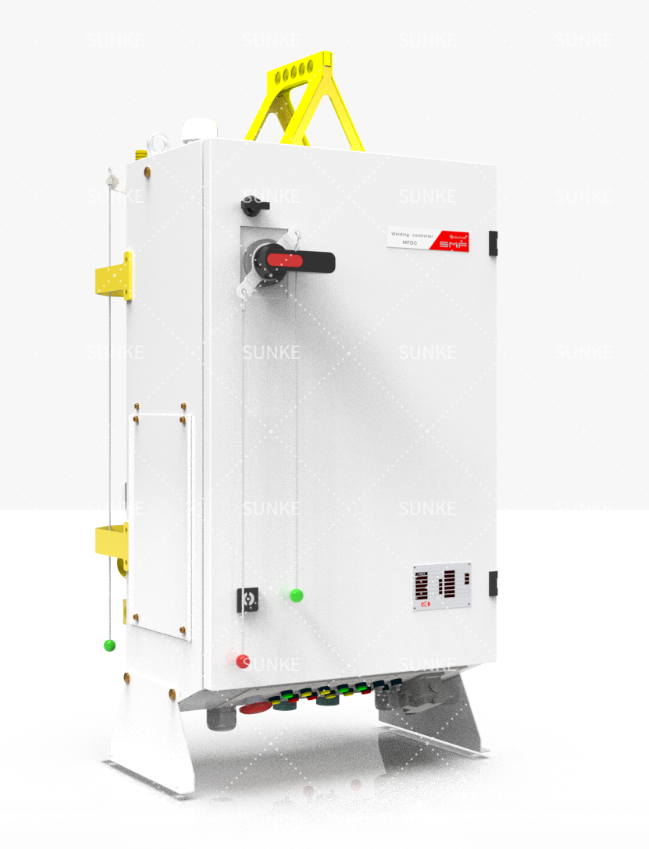
Folks, weld problems ain’t mystical — they’re predictable. Parts shift, surfaces oxidize, current drifts, and a careless squeeze from the electrode turns a good design into a leaky seam or a brittle joint. That misfit shows up as warranty returns on cars, rattles in a washing machine, or scrap in a job lot. What fixes that? You gotta control the three critical numbers: force, current, time. And you do it with tight process control plus a solid resistance welding monitor watching the job as it’s made, not after.
How the method actually works — plain and practical
Resistance welding uses electrical current to heat the interface and squeeze it into a joint. Think of it like pressing two pennies together while running a short, strong jolt through them — the contact spot gets hot fast, metal flows, and you get a weld. Key pieces that make that reliable: transformer or inverter power, timed weld cycles, electrodes to channel force and current, and controls that hold those variables steady. Match these and you stop variance at the source.
Monitoring and field verification: what to carry to the line
Machines can be tuned, but real-world shops need ways to verify welds on the fly. Technicians take handheld meters, ultrasonic testers, and portable readouts to confirm energy and joint integrity. A portable weld checker is what a floor tech pulls out when the production manager wants numbers, not guesses. I’ve seen portable weld checker demos at FABTECH that showed how quick checks catch drift before it becomes a trend, and shop vets appreciate tools that give repeatable readings without shutting the line down.
Where folks trip up — common mistakes and how to stop ’em
– Ignoring electrode wear: worn tips change contact area and kill repeatability. Replace or recondition on schedule. – Skipping surface prep: paint, oil, and heavy oxide change resistance and heating. Clean where it counts. – Running by time alone: if current or clamp force varies, time doesn’t help. Monitor all three. – Over-relying on visual checks: a shinny-looking nugget can still be weak. Use electrical and destructive spot checks periodically.
Practical setup advice for different industries
Automotive lines demand ultra-consistent cycle-to-cycle control; use servo clamps and integrated monitors for closed-loop feedback. Appliance makers often balance speed and cost — invest in electrode maintenance and spot-check rigs. Metal fabrication shops welding a variety of gauges need flexible transformer or inverter systems and a portable verification kit to tune each job. For every scenario, document a short acceptance test: a set number of checked welds, recorded values, and a replacement trigger for consumables.
Making quality predictable — a shop-floor checklist
– Calibrate power and timing systems quarterly. – Record baseline values for current, force, and time — keep ’em handy. – Train two people to run checks so knowledge survives turnover. – Use both online monitoring and handheld verification periodically. These steps cut surprises and give you measurable control over weld quality.
Why this approach earns trust
I’ve spent years on assembly floors, tuning machines and squaring up specs with engineers. When you pair proper machine setup with routine monitoring and a sensible field checker, defect rates drop and audits go smooth. You don’t need mystery — you need measurable, repeatable actions that any technician can follow.
The straight takeaway
When resistance welding problems show up, treat ’em like mechanics do: find the root cause, measure the key variables, and add a verification step that doesn’t slow the line. That blend of shop-floor know-how and handheld verification is exactly the kind of practical reliability you get from Sunke.

