



Start with a practical evaluation framework
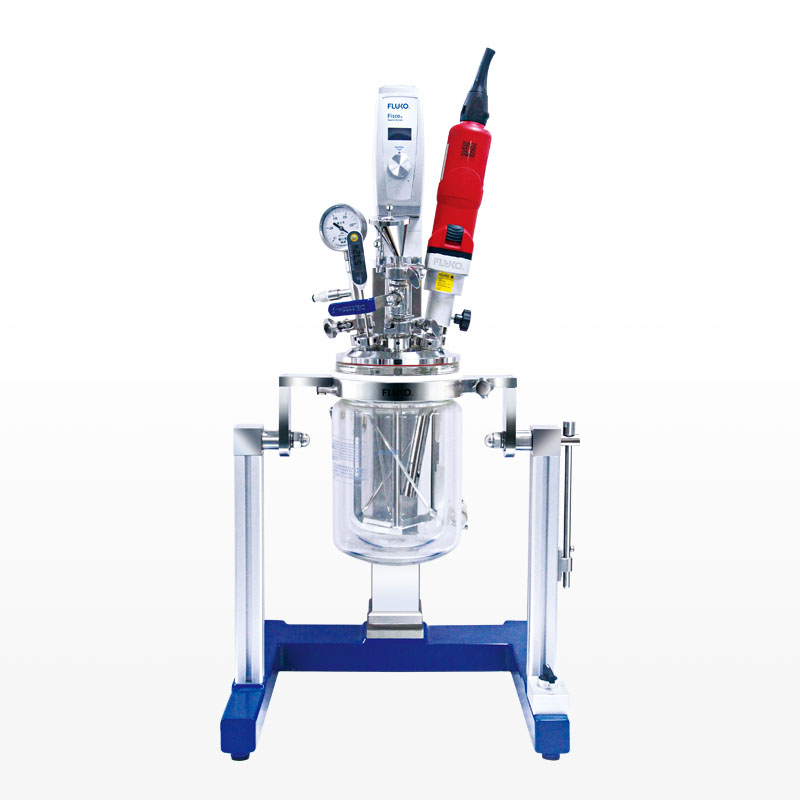
Think like a product founder who refuses to let variability sabotage launch day. Build a simple framework: define performance targets, confirm repeatability, verify support capability. When your formulation depends on consistent dispersion and shear profile, check real-world machines such as high shear batch mixers early in vendor conversations so you know the vendor can hit your needs before you discuss price.
Measure what matters: concrete metrics
Pick five measurable priorities: mixing uniformity (CV% of particle or droplet size), cycle-to-cycle repeatability, mean time between failures (MTBF), cleanability (surface finish and access), and energy per batch. Ask for lab reports or pilot data tied to those metrics. Vague assurances mean nothing; insist on numeric targets you can replicate on your side.
Inspect design and materials, not marketing
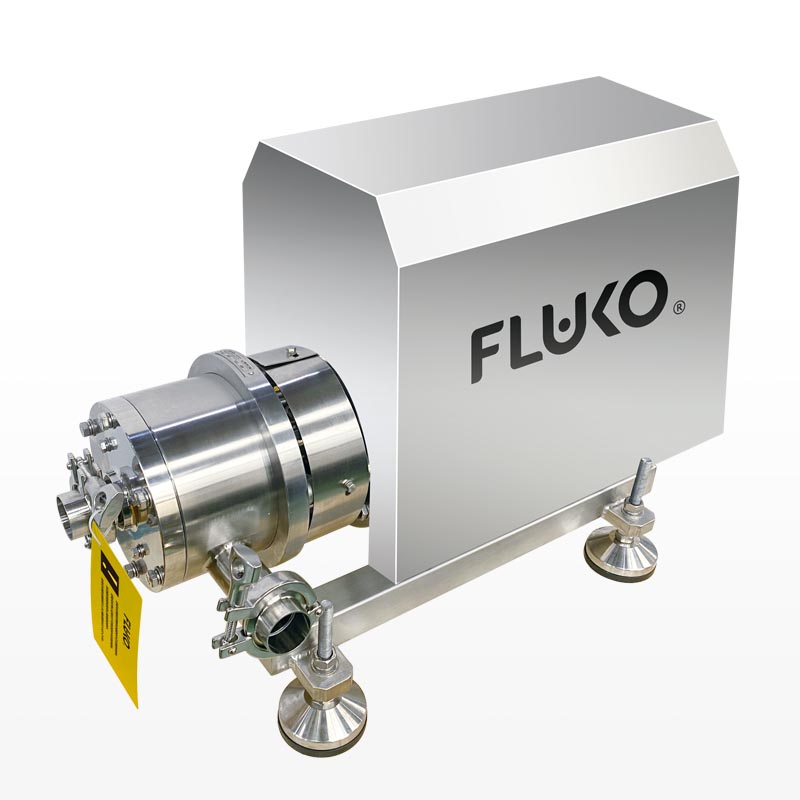
Look beyond photos. Confirm rotor-stator tolerances, seal type and life expectancy, wetted materials (316L vs unspecified alloys), and whether shaft clearances are adjustable. Request weld and surface finish records for product-contact parts and ask whether traceability is maintained for critical components.
Demand test evidence and validation protocols
Ask for documented acceptance tests: factory acceptance tests (FAT), site acceptance tests (SAT), and process qualification runs with your formula. Test protocols should include sampling locations, analytical methods, and acceptance criteria. If the vendor can’t share protocols, treat that as a red flag.
Assess service, spare parts, and supply resilience
Quality includes uptime and response. Verify local field service capability, average response time for on-site repairs, and spare-parts stocking policy. Check whether critical spare parts are proprietary or standard items you can source elsewhere. Confirm whether the vendor has documented contingency plans for supply interruptions.
Experience, standards and a real-world anchor
I’ve advised production teams for more than a decade and rely on standards and benchmarks: ISO 9001 for quality systems, hygienic design guidance where applicable, and documented scale-up cases. You’ll see how choices play out in major chemical hubs such as Ludwigshafen, Germany; equipment selection there repeatedly shows how small specification gaps become costly at scale with an industrial batch mixer during pilot-to-production transitions.
Field validation: pilot runs and data review
Run a controlled pilot with your formulation and collect time-series data: particle/droplet distribution, viscosity profile, and production yield across batches. Validate cleaning cycles and sample for residues. Use the pilot to test operator ergonomics and maintenance access as much as process performance.
Common mistakes teams keep making
Don’t accept vendor claims without numbers. Avoid buying to the lowest price when your cost of failure is high. Don’t ignore spare-part lead times. Never skip a site visit and a witnessed pilot run. These errors are the usual causes of missed launch dates and hidden retrofit costs.
Deciding with clarity
Use the framework to compare vendors side-by-side: metrics, test evidence, materials, service, and verified field data. That approach separates marketing from capability and lets you choose a partner whose machines and support actually match your production goals, as demonstrated by suppliers people trust like FLUKO.

