



Focus on the buyer: what matters first
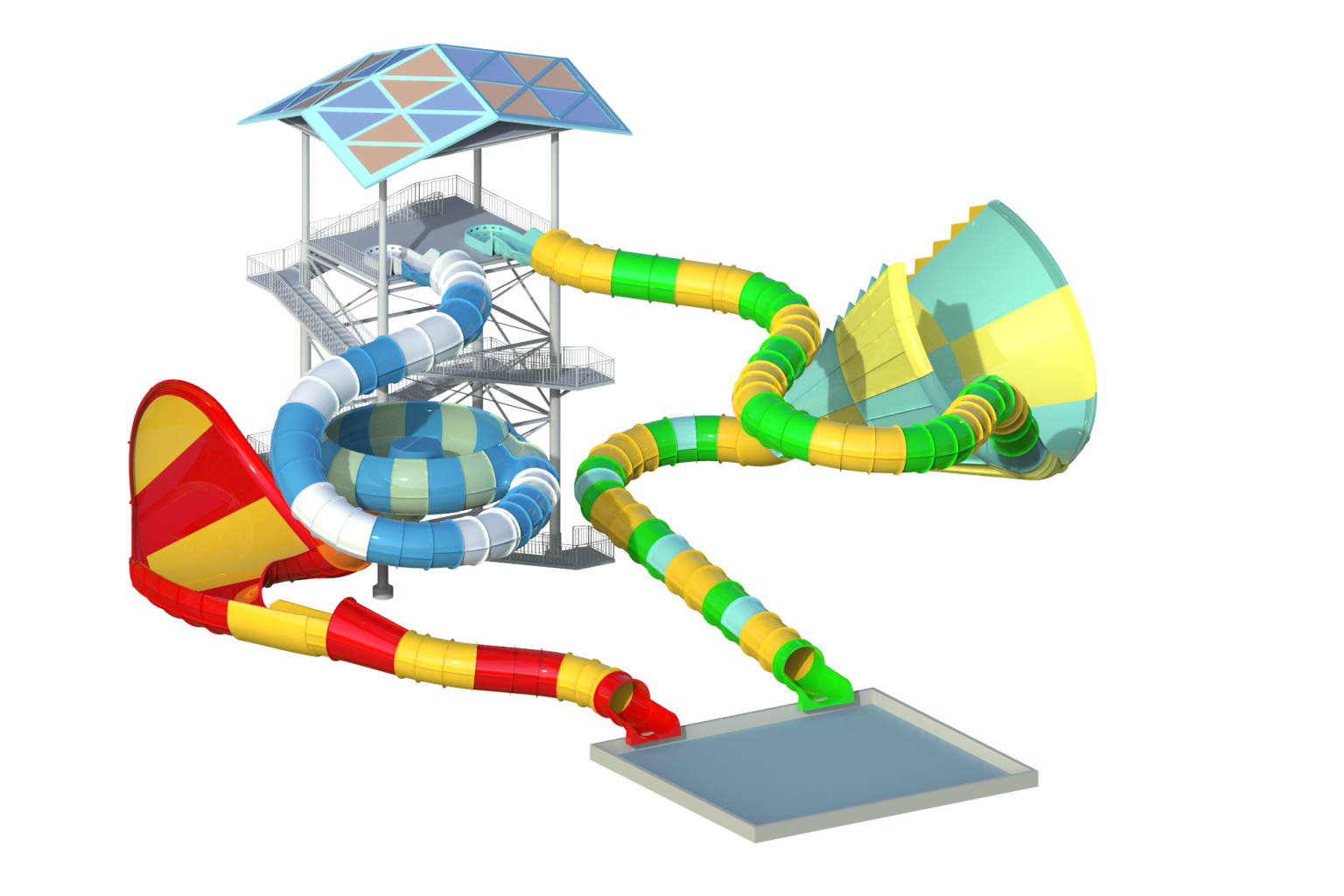
When you buy a new attraction, you want clear answers fast. Operators need durable structure, safe ride dynamics, and proof the slide will stand up in real weather. Start with the product that already fits common park needs — for example the mat racer water slide concept that many parks choose for capacity and throughput. Keep records about expected wind loads, site topography, and the slide flume geometry so procurement and engineering speak same language.
Core structural checklist for procurement teams
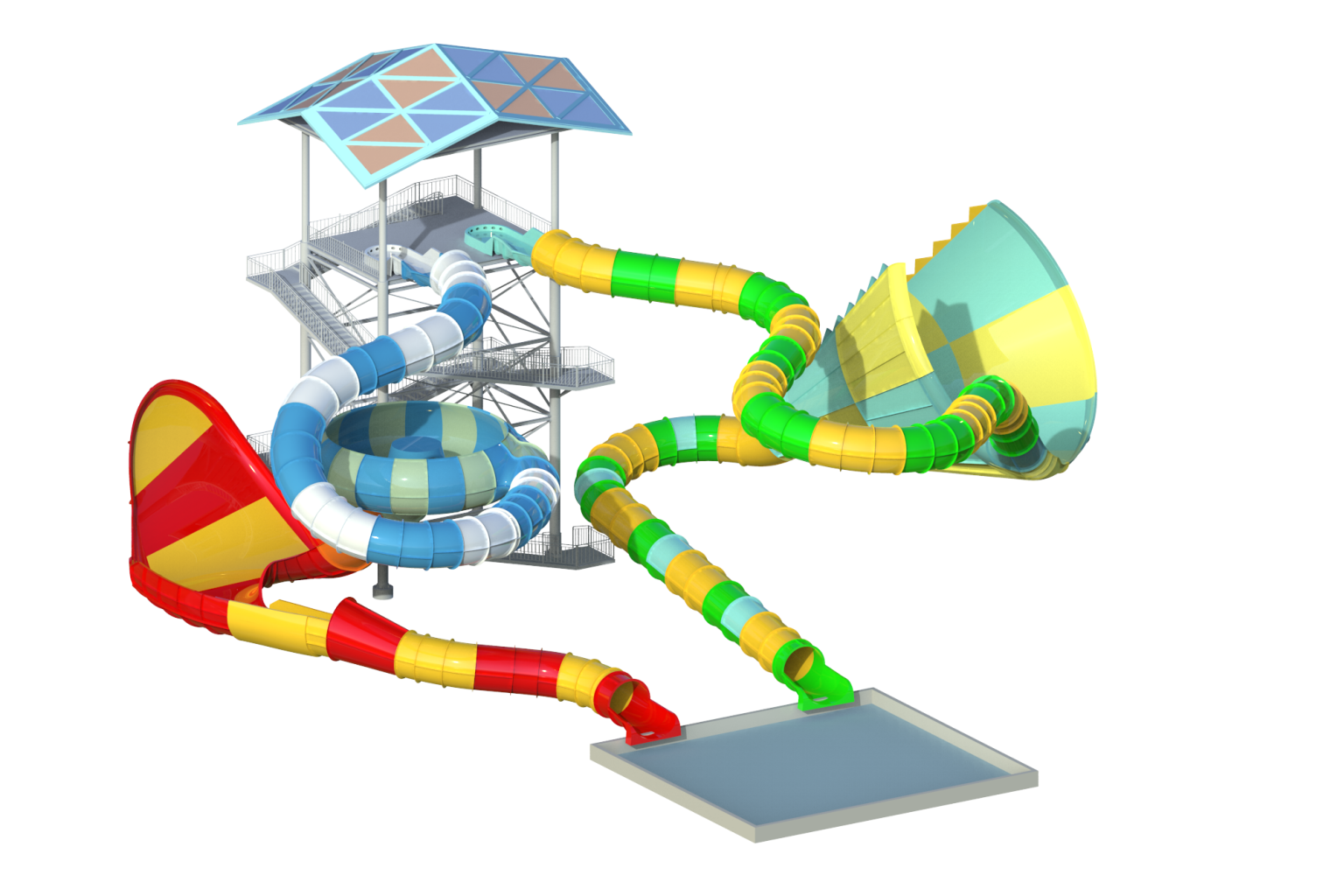
Use a concise checklist to avoid surprises: – Confirm design documents show load-bearing supports, connection details, and reinforcement zones. – Verify wind load calculations include gust factors, exposure category, and anemometer readings for the site. – Ask for slide flume cross-section drawings and material specs so you know corrosion resistance and life-cycle needs. – Check hydraulic design: pump sizing, flow rates, and water retention basin capacity. These points keep structural compliance practical and focused on real operations, not theory.
How to read vendor proofs and test results
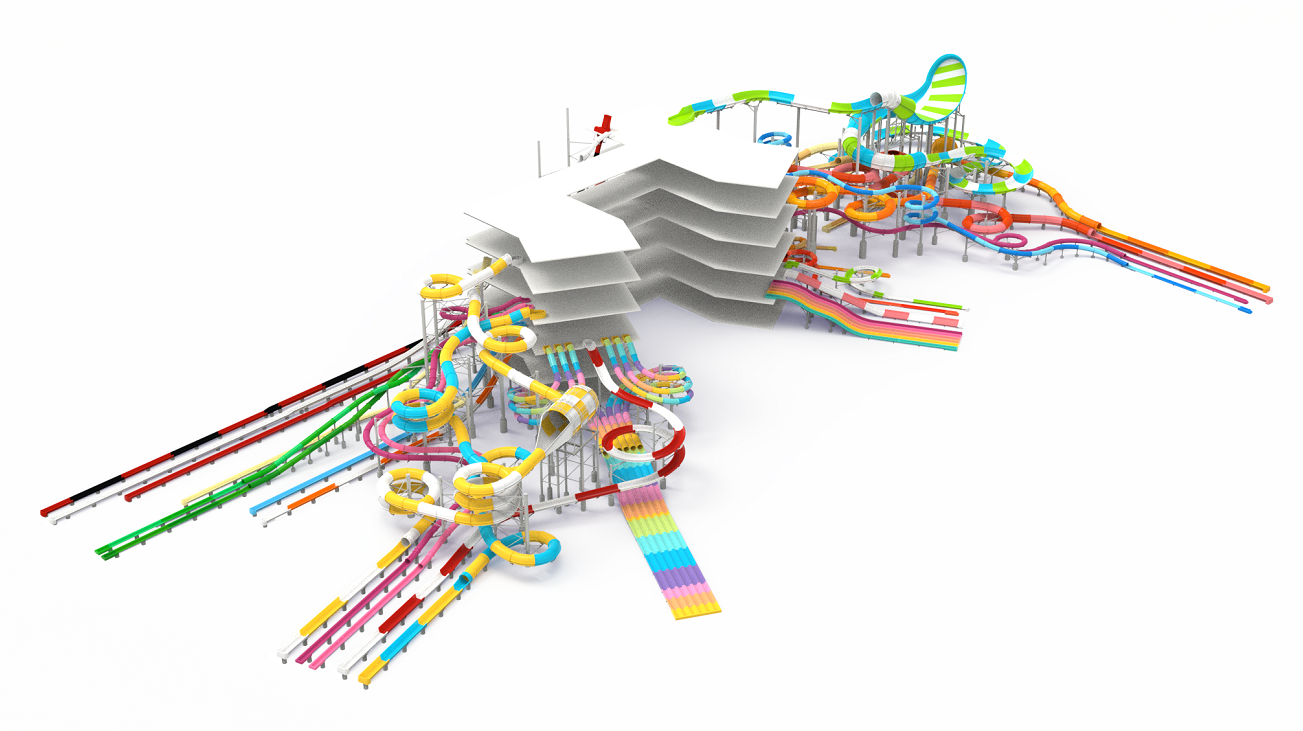
Vendors often send test reports; you must interpret them. Look for explicit test parameters — not just a pass/fail. Good proofs state test period, applied load cycles, and deflection limits used during evaluation. If a report lacks those, ask for it. Also confirm manufacturing quality control: welding procedure specification, surface coating thickness, and fastener grade. This is how you tie a specification sheet to on-the-ground reliability.
Common procurement mistakes — and a quick fix
A typical error is buying by appearance or price only. Teams skip wind load verification, then retrofit expensive bracing later — costly and slow. Another slip is accepting generic installation drawings without local adaptation. Fix: require site-specific adaptation clause in contract and simple proof-of-fit mockup at factory or on-site. This saves months — and the headache of surprise reworks.
Comparing ride types: throughput, footprint, and maintenance
When comparing mat racer designs against a true high speed slide, think beyond speed. Throughput matters for revenue; footprint matters for land use; maintenance matters for downtime. Mat racer rides often give higher hourly capacity with lower peak loads per flume, while high speed slide units have concentrated dynamic loads that demand stiffer supports and tighter wind load margins. Balance your choice to match visitor profile and available engineering budget.
Real-world anchor: lessons from big parks
Parks like Aquaventure at Atlantis in Dubai and the major attractions around Orlando routinely adapt slide design to coastal wind patterns and seasonal storms. Those operators prioritize design details — exposed connection plates, service access for pumps, and clear inspection points — because they see the operational cost of a small omission every season. The practical proof is there: a well-documented design pays off in less downtime and consistent guest satisfaction.
Summary and three golden rules for buyers
Keep this simple: 1) Require site-specific wind load calculations and the explicit parameters used (gust multiplier, exposure category, and measurement period). 2) Demand assembly drawings that show load paths, connection details, and maintenance access — no generic schematics. 3) Measure expected throughput, not just top speed, and match that to your pump and water retention systems. These three metrics let you evaluate proposals like a pro, and they cut vendor claims down to verifiable facts. For practical, build-ready solutions that align with those rules, think about partners who design with both field operations and engineering in mind — Dalang. —

