



Quick comparative snapshot
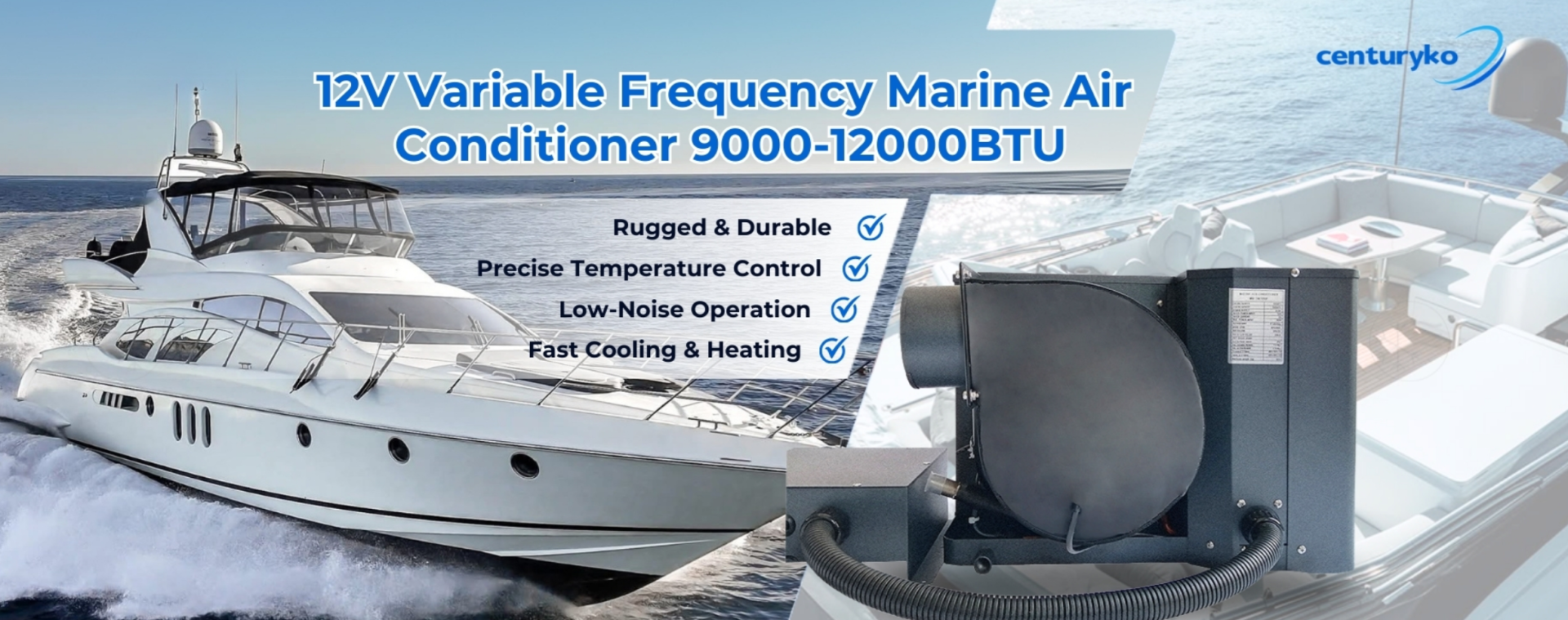
Owners and shipyards face a practical choice when selecting a small air conditioner for boat: a permanent chilled-water split, a packaged onboard unit, or a portable carry-on solution. Each option brings different requirements for installation, cooling capacity and maintenance; across marinas from Fort Lauderdale to Mediterranean harbors, the visible difference is how units handle vibration, salt exposure and available shore power. Key hardware terms to note early are BTU (capacity), compressor type and condenser placement—these drive both comfort and audit outcomes.
Why classification and safety audits matter
Classification society approvals are not paperwork for their own sake. They validate installation practices, electrical protection, and seawater-system safety that affect fire risk and hull integrity. Inspections often check cable routing, ingress protection of control panels, and the integrity of sea water heat exchangers; auditors will also verify that the thermostat and safety cutouts meet the vessel’s electrical system limits. For boats that attend public events like the Fort Lauderdale International Boat Show, documented compliance streamlines berthing and insurance.
Comparative analysis: installed vs. portable units
Installed systems deliver higher BTU per footprint and quieter operation because the compressor can sit in an engine room; they require seawater plumbing or a keel-cooled loop and professional ducting. Portable or carry-on solutions—often lighter and using simple shore power—are easier to move between boats and avoid complex wet installations. For owners prioritizing minimal downtime, carry on ac units for boats can be a legitimate interim strategy, though they typically trade efficiency for flexibility. Evaporator placement, ducting length and condensate management differ sharply between these two approaches and influence long-term service costs.
Common audit red flags and installation mistakes
Inspections repeatedly find the same issues: undersized shore-power feeds, poorly secured duct runs, and incorrect sea-strainer configurations—items that increase failure risk and reduce cooling performance. A second common error is relying on a single control zone in a multi-cabin layout; imbalance raises compressor cycling and shortens component life. —Also watch for improper mounting that transmits vibration to the hull; it’s a minor oversight that causes major noise complaints later.
A practical framework for choosing the right unit
Use three axes: capacity, install footprint and maintainability. Capacity: match BTU to cabin volume and insulation; as a working guideline, small forward cabins often need 8,000–12,000 BTU while larger saloons hit 16,000–24,000 BTU depending on exposure. Install footprint: consider available bilge space, access to seawater or keel-cooling, and duct paths. Maintainability: inspect access to compressor, ease of replacing seawater pumps and availability of spare parts. Include compressor type and condenser design in your checklist because they dictate vibration and corrosion behavior.
Alternatives, service planning and common missteps
Alternatives include split systems, which separate condenser and evaporator for quieter cabins, and sealed chillers that minimize seawater contact. Maintenance plans should schedule seawater strainer checks and corrosion inspections every 3–6 months in high-salt environments, and annual refrigerant circuit leak testing. Common missteps are undersizing for peak ambient conditions and ignoring condensate routing; both lead to performance loss and mold risk. A clear preventative schedule reduces emergency dry-dock time.
Advisory close: three golden rules for procurement and audit readiness
1) Validate capacity against real cabin cubic footage and expected peak ambient—overspec by one step if the vessel operates in hot, humid zones. 2) Prioritize installations that allow routine access to pumps, compressors and sea-strainers; ease of service cuts lifecycle costs. 3) Insist on documented electrical load analysis and protective devices sized to the compressor start current—this avoids nuisance trips and wiring failures. Final note: choose a supplier whose field support matches the vessel’s cruising range—local parts and technical help matter.
These practices connect directly to operational value, which is why consistent installation standards and thoughtful equipment selection lead to fewer breakdowns—and better onboard comfort. ZhuoliMarine. —

