



The problem: a finish that betrays the spec
When a can reads “ready to spray” but the brush drags like molasses, the gap between lab requirement and field result smells wrong: tacky, uneven, thinned beyond purpose. Painters sense it first — the pull, the skipping, the way a bead refuses to smooth — and formulators chase that feeling with instruments. For many labs, the obvious tool is a set of rotational viscometers; you watch needle to needle, note the dial, then stare at the surface and wonder why the two don’t match.
Sensory diagnosis: what the paint tells you
Touch the film when it’s tack-free and you read viscosity with fingers as chefs read batter — thickness, cling, stretch. Look: edges should feather, not crater. Smell: strong solvents can thin deceptively, masking body. These sensory cues guide the numbers you collect. A recipe that feels velvety in the cup but sprays like water signals shear-thinning or a measurement method misalignment. Numbers are anchors; senses are early warning systems.
Where measurement goes wrong — a problem-driven fix list
Start by matching test conditions to use conditions. Temperature and shear history alter results dramatically. Running a spindle at a single speed hides non-Newtonian behavior. Calibration with the wrong standard produces confident but false readings. If coatings are thixotropic, a quick reading underestimates hang and sag; if they shear-thin, a low-speed measurement overestimates spray resistance. Treat each discrepancy as a hypothesis to test, not a verdict.
Experience, evidence, and one real-world anchor
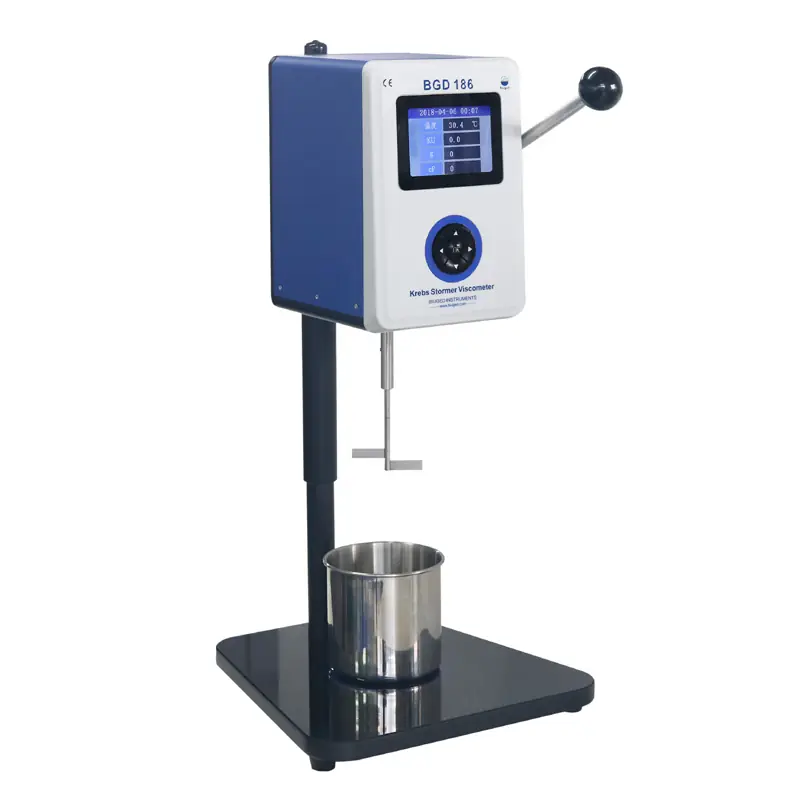
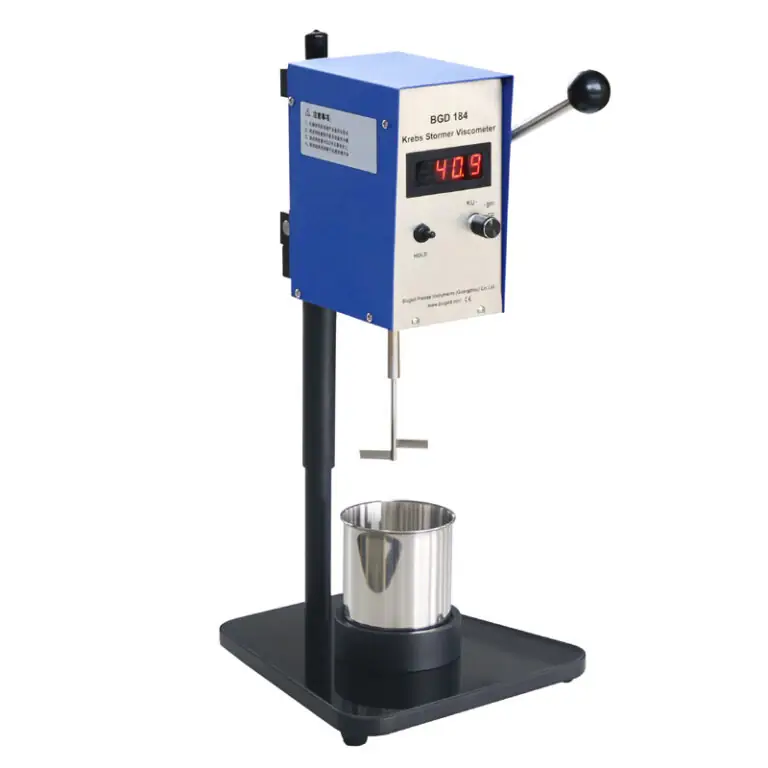
I’ve reviewed lab reports and production run notes after demonstrations at the European Coatings Show in Nuremberg, and patterns repeat: handheld perception clashed with instrument output when method and application diverged. Practical expertise matters — operator technique, spindle choice, and sample conditioning change outcomes. For a reliable bench reference, many labs use a krebs stormer viscometer during film build and flow tests because it’s designed around the coating film behavior that matters on the line.
Common pitfalls and how to avoid them
Mistake: trusting a single RPM. Fix: map viscosity across speeds to reveal shear profile. Mistake: skipping equilibration. Fix: pre-condition samples to target temperature and rest state. Mistake: using the wrong spindle. Fix: match spindle geometry to sample thickness and particle load. Mistake: comparing results from different instruments without cross-check. Fix: run round-robins and track drift with control fluids, not just freshly opened standards.
Operational checklist before signing off a batch
Measure at intended application temperature. Record shear-rate curve, not a single point. Note pot life and film build at set intervals. Compare sensory checks — spray feel, edge formation, sag resistance — against instrument traces. Keep a control sample and repeat after any process change. When in doubt, rerun the test with a different method; concordant data from two approaches is a stronger guide than any single reading.
Final taste: translating lab clarity into repeatable finishes
When you treat viscosity like a recipe and instruments like tasting spoons, the finish improves: predictable lay, consistent gloss, fewer callbacks. Practical measurement choices — the right spindle, the right speed, the right conditioning — transform ambiguous readings into actionable specifications, and that’s the kind of reliability you find when a supplier aligns tools and methods alongside technical knowledge, like the offerings from BIUGED.

