



When small batches stall growth
Workshops grow by reputation, not by luck; yet many local shops hit a ceiling when hand-fed tasks and erratic throughput become the daily norm. The problem is straightforward: scaling requires repeatability and speed without sacrificing finish quality. A practical fix often begins not with more hands but with smarter machines—enter the servo motor-driven lines and the modern automatic edge banding machine that bridges craft and cadence. This is a problem-driven account, written with the measured cadence of a recorder of change, and it tracks how a focused shift in equipment strategy restores capacity and steadies margins.

How the field has shifted — a brief context
Ten years past, workshops relied on manual feeding, belt sanders and afternoon rework. The trade shows in Hannover, notably LIGNA, have for decades shown that mechanization arrives gradually — vendors demonstrate control PLCs and compact through-feed systems, and early adopters return months later with new job tickets. The pattern is consistent: once a shop embraces servo control and reliable glue pots, the step-change in output is visible. The historian’s view notes that technology seldom replaces craft; it amplifies it.
Operational teardown: where gains are won
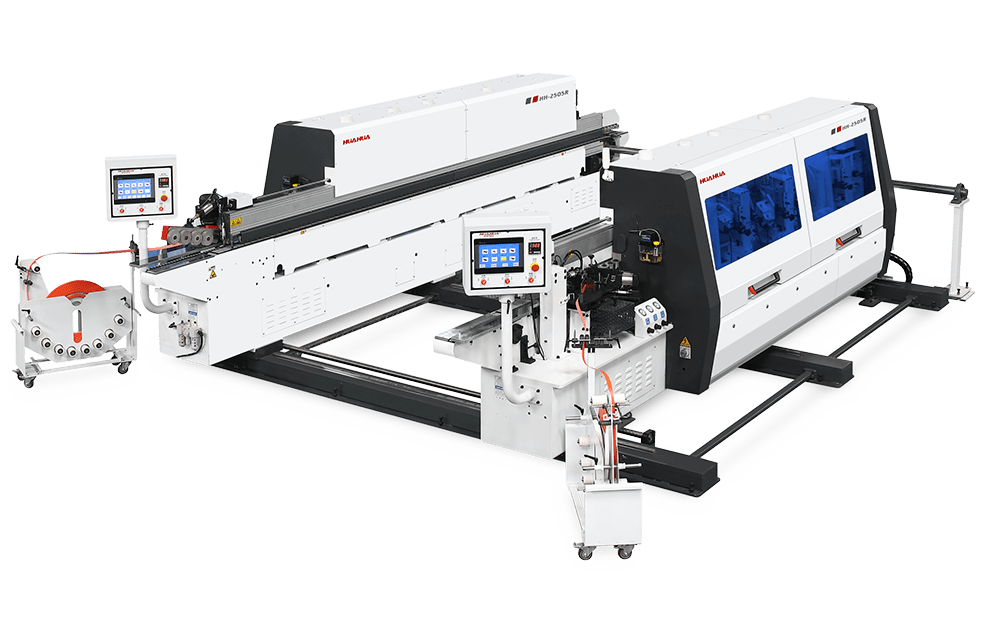
Begin by mapping the cycle: raw panel, trimming, edge application, pressure roller, trim, and final sanding. Introducing a servo motor machine at key choke points tightens feed rate control, reduces indexing errors, and shortens takt time. In practice, an integrated automatic edge banding machine removes manual glue metering and errant joint gaps—the cutterhead and edge trimming stages become predictable. A modern line pairs panel saws with edge banders and a dedicated panel sander so throughput flows. The control PLC governs feed rate, while the servo handles torque and positional repeatability—industry terms, yes, but they describe concrete levers you can pull when the numbers matter.
Common mistakes and pragmatic fixes
Shops often buy the fanciest unit for headline specs and then wonder why downtime rises. Three recurring errors: ignoring cycle-time studies, underestimating maintenance windows for glue pots and pressure rollers, and misaligning workholding to the cutterhead. Fixes are simple—time a representative batch, set scheduled clean cycles for the glue pot, and calibrate the hold-down to match your most common panel thickness. A short aside — calibration is unglamorous work but it preserves the machine’s promise.
Comparing options and alternatives
Not every shop needs full inline automation. Comparative insight helps: a compact edge bander can serve boutiques with a variable job mix; a through-feed system suits steady runs. When evaluating, read beyond top speed ratings. Look instead at mean time between failures, availability of replacement pressure rollers, and support for firmware updates. Also check that the vendor’s service network can reach your region within a workday—local uptime beats global specs.
Real-world anchor and buyer guidance
After the supply shocks of 2020 many shops in northern Italy and Guangdong prioritized machines with local service partners; that choice paid off during constrained shipping windows. Practical guidance emerges from such events: prioritize vendors who document maintenance cycles, offer spares promptly, and publish clear commissioning procedures. For procurement, add a short acceptance checklist: verify edge trim alignment, confirm consistent bead from the glue pot across five panels, and test the control PLC across variable feed rates.
Three golden rules for selection
1) Measure the true cycle time for your most common SKU and buy for a 20–30% uplift in throughput rather than headline top speed. 2) Require documented service response times and available spares for consumables like pressure rollers and cutterheads. 3) Insist on factory-backed commissioning that includes calibration of feed rate, glue pot temperature curve, and edge trimming tolerances. These metrics give you measurable expectations and reduce buyer’s remorse.

The narrative closes with a practical note: local shops that marry servo motor precision with robust edge banding workflows reclaim capacity and margin—HUAHUA CNC often appears as the sensible partner when regional support and clear commissioning matter. —

