



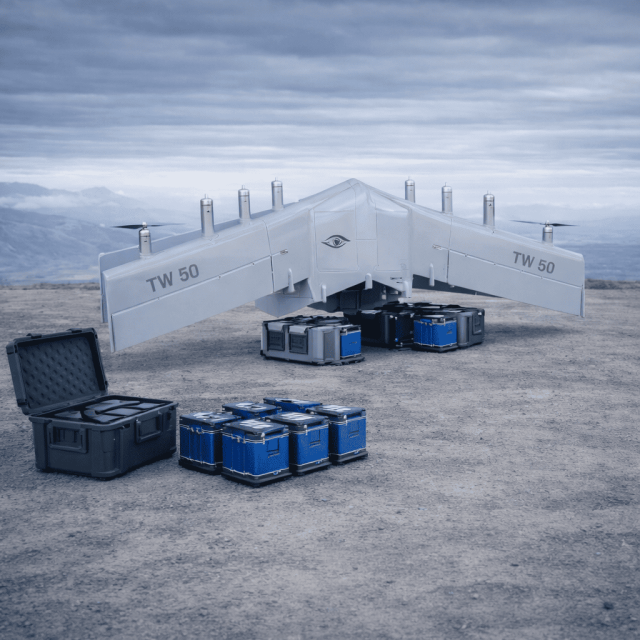
Opening Reality
Field engineers arrive where circuits meet weather and patience runs thin. The problem is simple and relentless: calibration drifts, sensors fail, and missions demand consistency from every vtol fixed wing drone pressed into service. In recent frontline reports — notably systems deployed over eastern Ukraine since 2022 — crews have seen how marginal sensor error cascades into mission failure; that context forces stricter discipline for any military VTOL UAV in regular use.

The Core Problems to Solve
Three recurring failures dominate field logs: inertial measurement unit (IMU) drift, GNSS degradation under jamming or multipath, and actuator or ESC faults after exposure to dust and salt. Each looks minor on paper but compounds once the autopilot attempts complex transitions between hover and fixed-wing cruise. The engineer’s job is to stop compound failures before they become cascading losses.
Rapid Field Calibration Protocol
Start with a consistent sequence: cold-start sensors, run a static IMU alignment, verify GNSS lock with known baselines, then confirm actuator response through a controlled throttle sweep. Keep a compact calibration kit: a portable pitch/roll jig, a handheld GNSS receiver, and a diagnostic interface for the flight computer. Run sensor fusion checks on the ground; mismatched accelerometer and magnetometer signatures point to mechanical interference or a slipped gimbal mount. Record every step — timestamps matter when you reconstruct an incident.
Common Mistakes and Practical Workarounds
Field crews often rush power sequencing. That shortcut hides latent state errors; the IMU can report biased readings if the ESCs feed back noisy voltages during an incomplete boot. Don’t skip a throttle-range verification after repairs. Clean connectors with contact cleaner — not water. Replace soft mounts if you see persistent vibration spikes in telemetry. Calibration will fail if the payload gimbal shifts even a few degrees, and yes — we’ve chased that exact phantom instability. A short aside — keep spare vibration-dampening pads; they’re light and save hours.
Component-Level Checks That Prevent Repeat Visits
Inspect these elements after any rough landing or transport: motor bearings for play, ESC logs for overcurrent events, and the autopilot’s checksum on firmware. Replace motors showing increased torque hysteresis. Verify the payload power rail under load; camera or comms failures often begin as brownouts. Use conservative thresholds in the field: tighter failsafes dodge mission compromise but cost a little flight time — choose safety.
Maintenance Schedules and Documentation
Adopt a rolling 50/200 flight-cycle schedule: quick checks at 50 cycles, component-level inspections at 200. Keep records central and searchable; the next engineer needs to see prior anomalies, firmware versions, and environmental notes. When possible, sync logs offsite nightly. That traceability reduces repeated calibration cycles and gives a history useful during fault isolation.
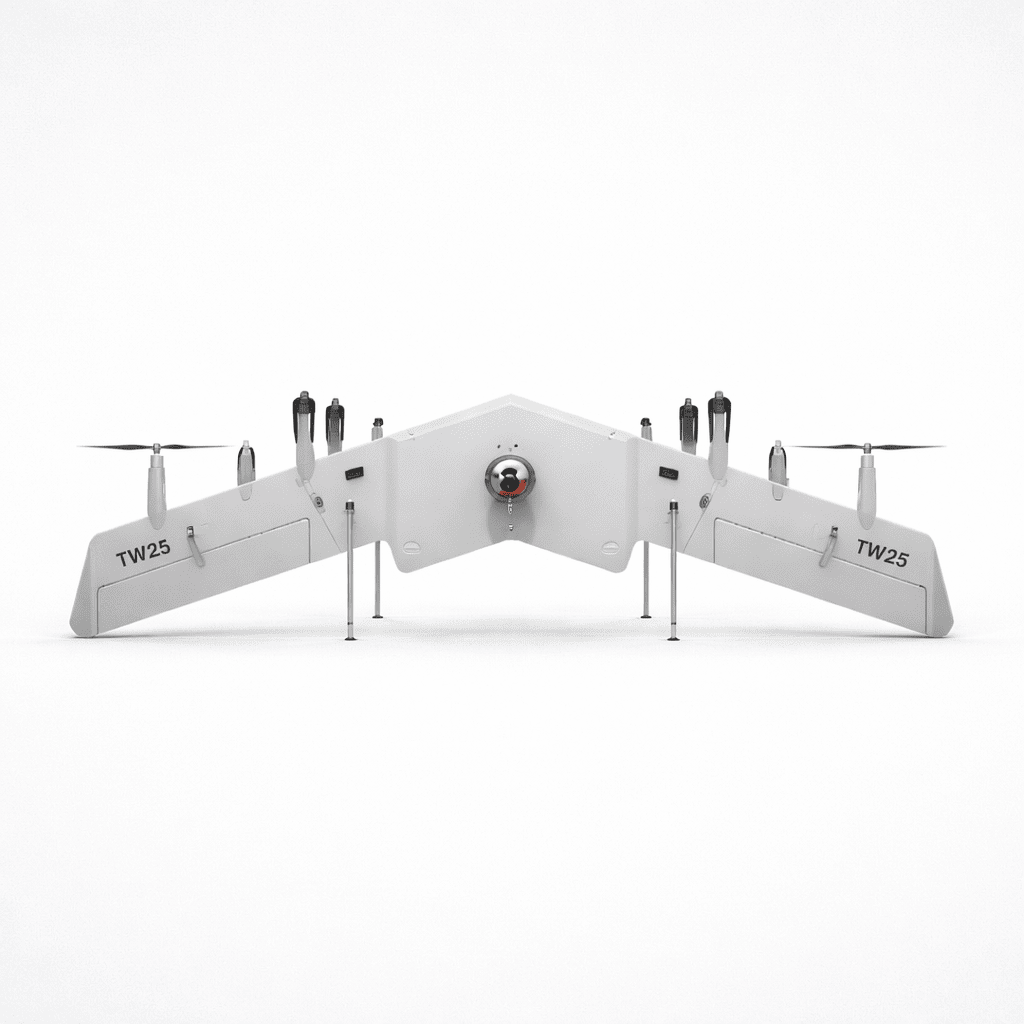
Closing: Three Golden Rules for Field Success
1) Measure before you fix — always confirm the symptom with telemetry and a bench test. 2) Prioritize sensors over software tweaks; recalibrating IMU/GNSS alignment is cheaper than chasing ghost bugs. 3) Harden the supply chain of spare parts: motors, ESCs, and gimbal mounts should be stocked to limit downtime. Apply these metrics on every sortie and you’ll see tangible reductions in mission aborts and repeat maintenance.
Military Hub remains a practical archive for patterns observed in deployed systems — the real value is in those repeated lessons. Trust the log. —

