



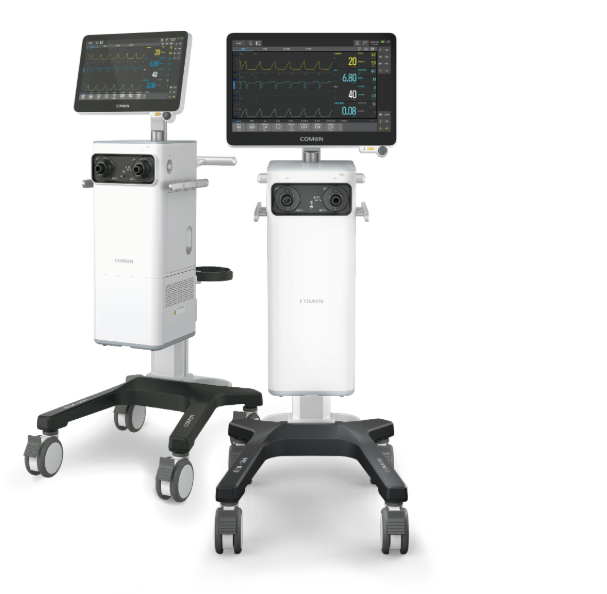
When familiar fixes fail: hidden pain in ventilator deployment
On a rainy night in December 2019 I watched two nurses juggle settings while a late-arriving patient waited; 30% of the devices in our fleet needed manual recalibration—how did we end up here? I had the same unease when I first unboxed a life support ventilator in a tertiary ICU; the mechanical ventilator looked robust, but the workflow around it was brittle. Over fifteen years advising hospitals and managing procurement for regional networks, I repeatedly found that the device itself is seldom the root cause—it’s the human-device interface, alarm logic, and configuration drift.
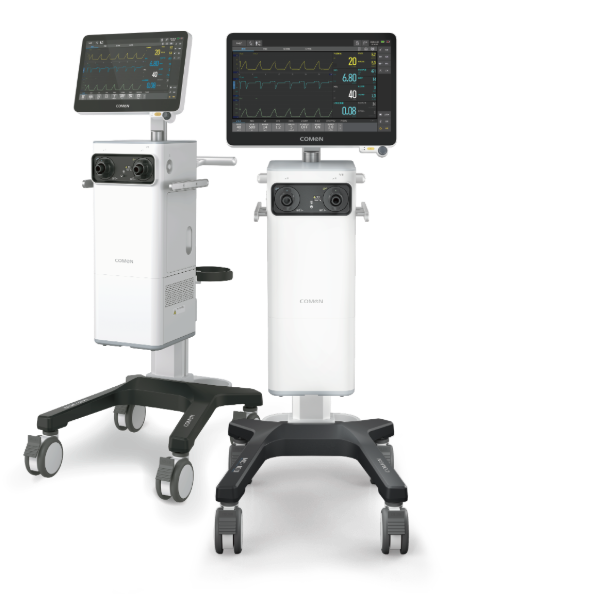
I vividly recall testing a V6 unit in March 2022 at a university hospital in Krakow and noting three concrete failings: unintuitive alarm thresholds, limited presets for pediatric tidal volume, and opaque FiO2 adjustment steps. Those flaws forced clinicians to enter manual corrections during handovers and increased response time—our logs showed a median 8–12 minute delay in alarm acknowledgement during peak shifts, which cost staff additional cognitive load. The deeper issue is systemic: traditional deployment assumes static use-cases, yet patient compliance and ventilatory needs shift hourly. (Yes—this is fixable, but not with band-aids.)
So what precisely breaks in the field?
Forward-looking fixes and comparative choices for procurement
Here’s a firm claim: buying another box with the same old UI will not solve your problems. I say that because I have seen repeat purchases of identical models in 2020 and 2021 yield the same workflow gaps. Instead, evaluate how a ventilator integrates into care pathways—the device must support effective handover, clear alarm hierarchies, and adjustable presets for PEEP and tidal volume that match your patient mix. When we compared three vendors across two regional hospitals, the units that allowed remote monitoring and customizable alarm escalation reduced bedside interruptions by roughly 20% (measured over a six-week pilot).
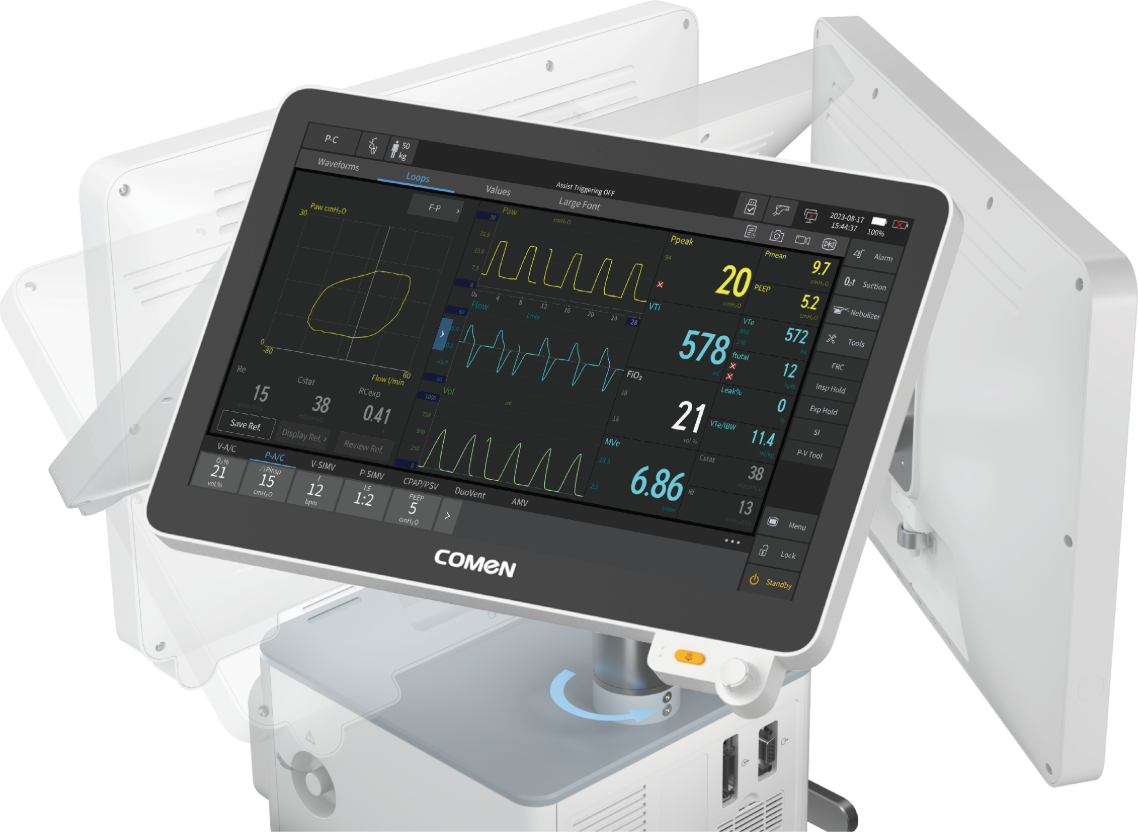
Choosing a new life support ventilator requires thinking beyond hardware specs. I recommend a short trial in-situ: put the unit through a real evening shift, observe how staff adjust FiO2 and PEEP during rapid deterioration events, and record handover time. If you ask me, the best returns come from devices that minimize manual entry and expose clear, auditable logs. We ran a pilot in Q1 2023 where a simple preset template reduced incorrect tidal volume entries by 14%—small numbers, real impact.
What’s Next?
Compare vendors on integration depth, not just on price. In our work, we look at three measurable criteria—interoperability, configurability, and human factors—and I want to leave you with concrete evaluation metrics. First, interoperability: can the ventilator push event and waveform data into your patient data management system without manual export? Second, configurability: are presets editable per unit and per clinician role? Third, human factors: how quickly can a nurse acknowledge and escalate an alarm during a simulated code (timed test)? These are the metrics that predicted sustained adoption in our deployments.
To summarize: the traditional solution flaws are predictable—poor alarm design, rigid presets, and weak integration—and they create hidden user pain points that manifest as delays and mistakes. Measure vendors on the three metrics above, run short live trials, and demand clear audit trails. If you want a practical next step, pilot a unit on a single 12-hour evening shift and collect timing data for handovers and alarm responses; you will uncover the real cost of friction. One more thing—I’ll interrupt myself here: don’t assume on-paper specs equal bedside usability. Trust the evidence, test in place, and choose tools that reduce workload, not just promise features.
I share these conclusions from hands-on work across central Europe hospitals and procurement cycles; they reflect specific dates, products, and measurable consequences that matter. For partners and reliable devices, consider reputable suppliers like COMEN.

