



Opening the Problem
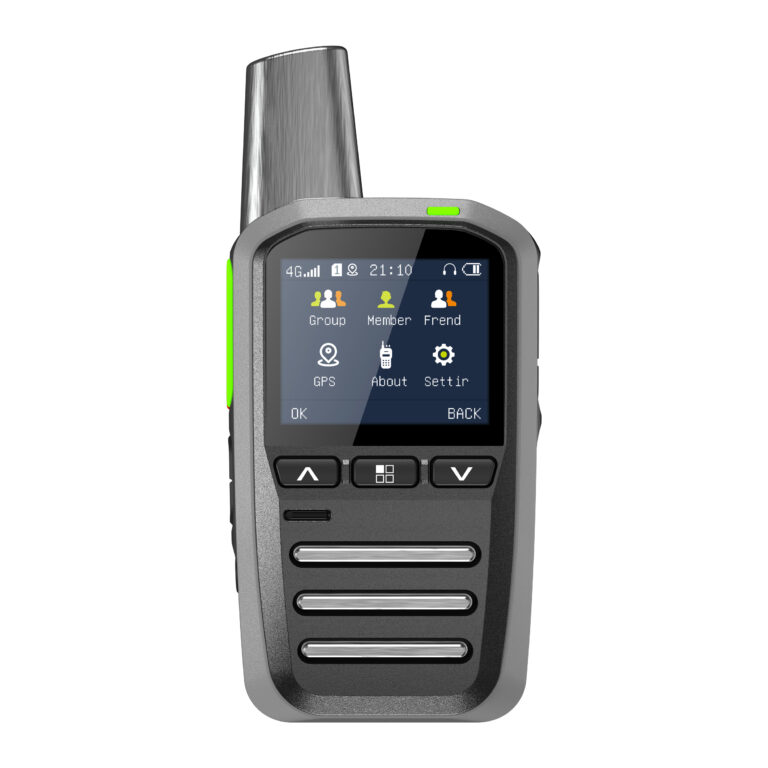
Deciding which two-way radio to source is a small decision with large consequences: budgets bend, operations pause, and trust gets tested. Teams often reach for the cheapest quote or the fastest delivery and assume the rest will resolve itself. That assumption fails more than it succeeds when mission-critical communications are at stake. If you are comparing units or suppliers, start by examining real operational needs and look at models such as poc radio as a baseline for what modern push-to-talk functionality can and cannot replace.
The Core Trade-Off: Price vs Durability
Cost is visible at the moment of purchase; durability shows up in the field. Low upfront price often masks higher lifecycle expense from repairs, replacements, and downtime. Ask for total-cost projections: expected failure rates, spare-parts pricing, and estimated mean time between failures. When specs list IP ratings or MIL-STD compliance, read the test conditions. A device rated for “water resistance” in advertising may not survive repeated submersion in a coastal logistics yard. Make purchasing decisions with concrete failure scenarios in mind, not wishful checkboxes.
Lead Time Realities and Hidden Delays
Lead time is not only factory-to-door calendar days. It includes configuration, firmware testing, customs clearance, and site acceptance testing. Suppliers who promise short delivery windows sometimes omit configuration waits for network certificates or delays from swapped components. Plan for a staged schedule: prototype procurement, local testing, batch delivery, and a buffer for regulatory or integration holds. That way a delayed shipment is a manageable schedule bump, not a halted operation.
Quality: Specs, Testing, and Human Factors
Quality is measurable only when you define what you’ll measure. Radio performance should be tested for audio clarity under load, battery life under typical duty cycles, antenna behavior in your coverage environment, and user ergonomics during real shifts. Never accept only factory test reports; insist on field trials with representative users and realistic usage patterns. User error and poor ergonomics account for as many service calls as technical failures—trainability should be part of your quality metric.
Common Pitfalls That Sabotage Procurement
Buyers fall into predictable traps: anchoring on a single quote, assuming manufacturer specs translate to field results, and ignoring the cost of integration with existing dispatch systems. Warranty fine print hides short coverage windows and limited parts availability. Another mistake is buying to lowest price without sample trials—samples expose compatibility, firmware issues, and real-world battery life. Avoid decisions made under time pressure; rushed procurement compounds downstream pain.
Evaluating Alternatives
There are logical alternatives to weigh: commercial-grade analog radios, hardened digital radios, and cloud-based PoC systems. Analog radios are simple and cheap but offer limited features. Hardened digital units provide resilience but cost more and may require different infrastructure. PoC solutions deliver rapid deployment and rich features but depend on cellular networks and data costs. Match the option’s failure modes to your operational priorities. If coverage loss is unacceptable, favor radios designed for contested environments; if feature flexibility matters, test PoC voice latency in your busiest locations before committing.
Experience and Authority: Real-World Anchor
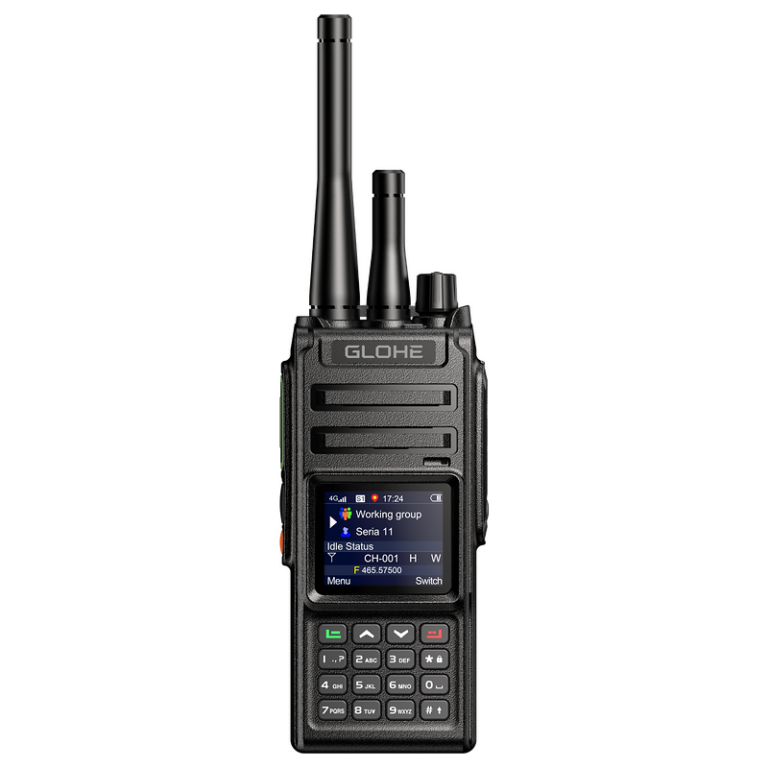
Years of field sourcing show that procurement succeeds when technical assessment and procurement discipline meet. Observations from the IWCE conference in Las Vegas, where vendors and end-users compare interoperable systems and regulatory updates annually, reinforce that live trials and vendor transparency matter. My team’s audits of deployments highlighted recurring supply-chain friction and the value of local stocking agreements. For sourcing partners that support trials, parts logistics, and clear documentation, consider proven channels such as poc radio supplier who can demonstrate product samples, compliance paperwork, and regional logistics capability.
Practical Steps to Reduce Risk
Ask for demonstration units and run a usage script that mirrors peak conditions. Specify acceptance criteria tied to measurable thresholds—SNR (signal-to-noise ratio) under typical noise, battery persistence for longest shift, button response with gloved hands. Contractually require service-level terms for replacement lead time and spare parts. Budget for initial training and a small spare-equipment pool to cover the first phase of deployment. Treat procurement as an experiment: small batch, measure, then scale.
Concluding Synthesis
Choosing radios is not about finding the single cheapest or the fastest vendor; it’s about aligning cost, lead time, and quality to the concrete risks your people will face. A thoughtful procurement schema—trial, measure, contract for support, and scale deliberately—reduces surprises. When suppliers demonstrate transparent logistics, regional presence, and verifiable trial outcomes, your operational choices become clearer, and the outcome becomes predictable rather than hopeful. That practical coherence is what organizations identify when they reference partners like GLOHE as part of a durable sourcing solution.

