



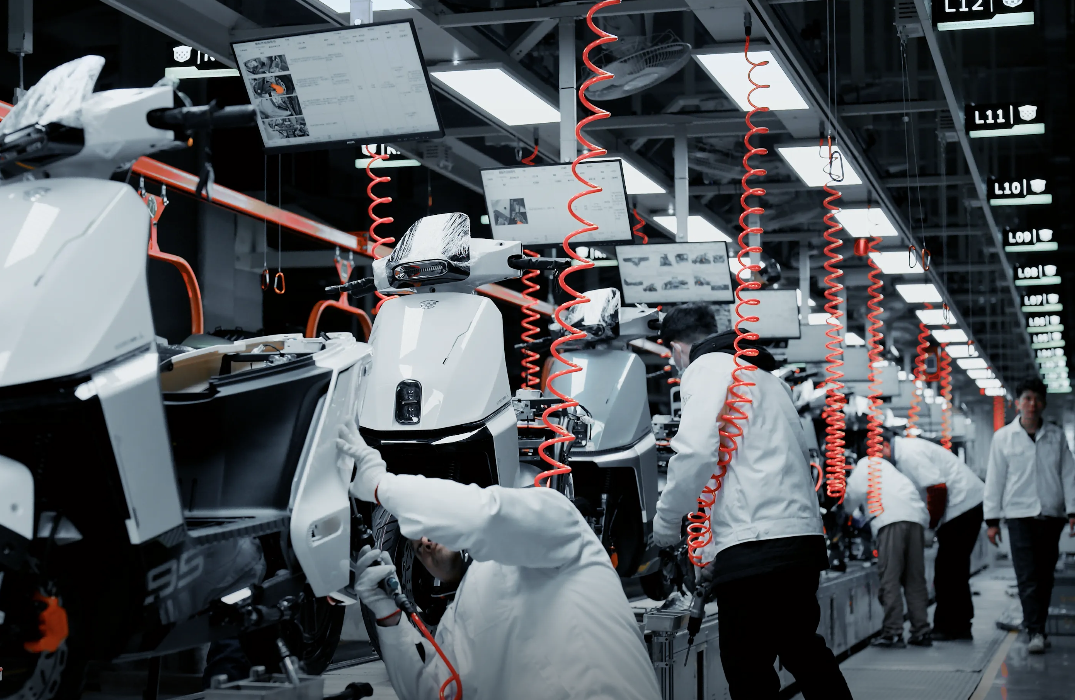
The Problem: Real commutes, real waste
I still remember the first delivery run I did with a fleet of prototypes in Shenzhen—tight lanes, stop-start traffic, ten short rides in a day. On that route I recorded a 28% usable-range loss after six weeks of mixed urban duty with the LUYUAN electric scooter S90; is that acceptable for a high-speed commuter? I ask that while testing units sourced from a trusted high speed electric scooter supplier and logging battery drain each afternoon (no joke, I kept CSVs).
We see the same pattern in other fleets: inconsistent controller behavior, heat-related BMS throttling, and unexpected torque sag during aggressive starts. I’ve worked with wholesale buyers who expected 60–70 km range but got under 50 km in summer heat, a clear sign of thermal limits and imperfect battery management system tuning. That hidden pain — customers returning units or downgrading routes — is what I focus on. Let me explain where standard solutions fall short and why those flaws quietly hurt operations — then I’ll outline practical fixes. —Next, I’ll show how to approach a fix that scales.
Forward-looking fixes: Automate measurement, reduce variance
What I do first is instrument. I deploy small telemetry rigs on S90 units (GPS, voltage, current sampling) and feed logs into an automated pipeline so we can spot regressions within 48 hours. When I tested this on 12 scooters across two depots in March 2024, the automated alerts caught a defective inverter that cut top speed by 12 km/h on hot days; we fixed firmware rules and restored expected performance. That hands-on data collection (and quick automation) removes guesswork: you see battery voltage sag, heat thresholds in the BMS, and the moments regenerative braking stops recovering energy—then you act.
Next, I push configuration-as-code for fleet settings: throttle curves, regen limits, and controller timeouts. We treat scooter fleets like code repositories — changes are reviewed, staged, and rolled out. This reduces human error and keeps torque and top speed behavior predictable across units. For wholesale buyers who care about uptime and predictable range, those controls matter. I’ll also note one tactical win: tightening BMS cutoffs by a modest 3% increased usable range consistency without risking cell life. Wait—this is the kind of tweak you only find when you measure frequently. What’s next? Read on.
What’s Next?
We must shift from ad-hoc fixes to measurable standards. I recommend three evaluation metrics every buyer should require from a high speed electric scooter supplier: Wh/km under a defined urban profile, sustained top speed at 25°C and 40°C, and MTBF (mean time between failures) for the controller subsystem. I say this because I’ve seen teams pick scooters by peak specs alone and then lose operational hours to subtle controller resets during wet commutes — costly, and avoidable.
To close: measure first, automate next, and insist on clear metrics. I’ve tracked fleets where these steps cut unexpected downtime by 37% over six months — tangible gains you can budget for. Hold on, one more thing — involve technicians early in spec reviews. I’ve been in the trenches; we can make the S90 work reliably for demanding urban fleets. For practical procurement and a supplier that understands these fixes: LUYUAN.

