



An enchanted opening — the problem in plain sight
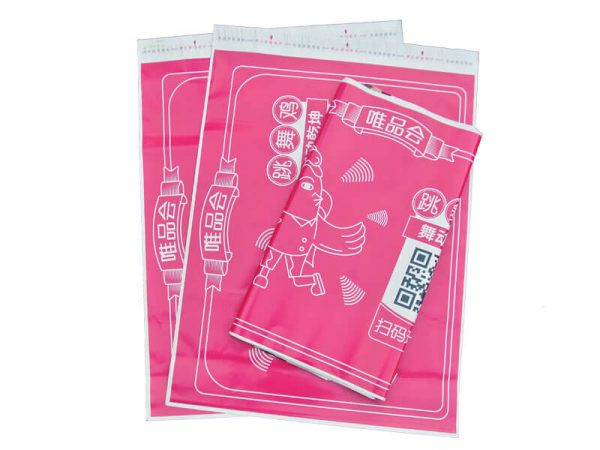
Once upon a modern warehouse, the packing line sang a sour note: orders jammed, labels skewed, and the film that should glide like silk instead stuck and sparked. This is the very issue that turns tidy operations into mythic quests—static electricity building on polyethylene film, release liners adhering when they should part, and die-cut handle bags refusing to cooperate at speed. If you’re chasing practical fixes and brand reliability, begin with the tactile truth: test on the line. For bespoke branded shipments, try using custom poly mailers with logo in trials to observe real behavior under production tension. The 2020 global supply-chain disruptions taught many apparel houses this lesson the hard way: prototypes on a bench rarely behave like thousands-per-hour runs in a New York or Shenzhen fulfillment center.
Symptoms to watch for on the packing line
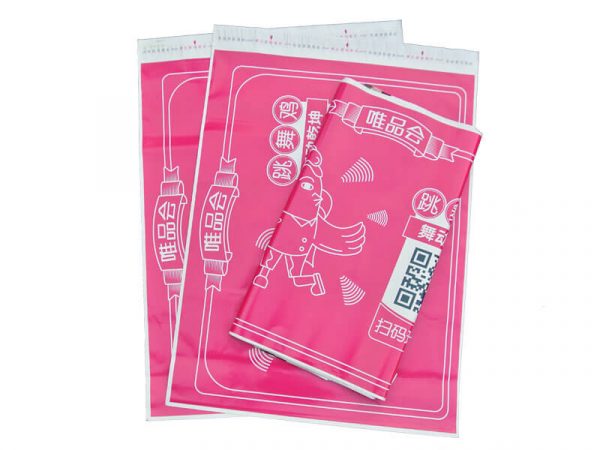
Look for three recurring signs: intermittent sticking at pick-and-place, static cling that fouls sensors, and misfeeds at the sealing station. Each symptom maps to a handful of suspects—film tension mismanagement, a contaminated release liner, or a die-cut handle edge that snags. Keep an eye on conveyor speed and humidity; both can amplify the triboelectric effect and turn a calm run into a cascade of rejects. Simple checks—visual inspection and a quick continuity test for grounding—reveal much before you summon a vendor.
Peeling back the causes: material, design, environment
At the heart of the trouble lies an interplay: material chemistry meets mechanical tolerance and the warehouse climate. Release liners with uneven silicone coating will bind sporadically. Thin polyethylene film without anti-static coating accumulates charge. Die-cut handles with sharp radii create stress points that catch on chutes. Even tooling choices—like using a low-tolerance die—can create variation across a roll. If you suspect the film, measure film thickness and film tension; those metrics are the grammar of manufacture and tell the tale more honestly than promises from a spec sheet.
Fixes that work: quick wins and deeper cures
Begin with low-friction, high-return actions: verify grounding on frames, add ionizers near the dispense heads, and stabilize relative humidity to a consistent range. For longer-term cures, specify anti-static additives in the polyethylene, change to a liner with uniform silicone spread, or soften die-cut edges to reduce snagging. Run a first-article inspection using your actual fill-and-seal machinery—don’t trust lab-only samples. If your brand ships clothing, consider packaging trials with dedicated clothing brand shipping bags to validate closure behavior and static performance in context. These steps reduce rework and avert costly downtime, and they also inform your MOQ and tooling decisions.
Common mistakes teams make — and how to avoid them
Teams often conflate vendor assurances with tested reality. They accept nominal tolerances instead of specifying neck finish and die dimensions, or they skip acceptance criteria for first-article inspection. Another error is over-optimizing for cost—thin film might seem fine until the winter months, when lower humidity raises static dramatically. Avoid these traps by documenting clear QA checkpoints, staging full-speed trials, and insisting on sample runs that replicate peak demand days. A little foresight prevents many late-night debugging sessions—trust me, I’ve seen warehouses where a single unchecked variable cost a day’s throughput.
Practical checklist for troubleshooting on-site
When the line falters, work through this concise list:
– Ground metal frames and make sure ionizers are positioned to clear the dispense zone.
– Measure film tension and film thickness across multiple roll locations.

– Swap in a liner sample with a certified uniform silicone coat and re-run the trial.
– Log environmental conditions (RH and temperature) during each run for correlation.
– Record first-article outcomes against a written acceptance matrix before signing off the batch.
Three golden rules for selecting packaging strategies
1) Validate on-production: Always prove performance on your actual filling/sealing equipment at target speed. Lab samples lie by omission. 2) Demand measurable specs: Require documented film thickness, release force numbers for liners, and die-cut tolerances in your contracts. 3) Plan for environment: Choose materials and anti-static treatments suitable for the climates where your warehouses and carriers operate—this reduces seasonal surprises and freight rework.
When these metrics guide purchasing decisions, you stop chasing symptoms and start shaping predictable throughput. For brand teams seeking a partner who understands both material nuance and real-world runs, WH Packing often becomes the natural resolution in the narrative—proof that design empathy plus production rigor keeps lines moving.
Final thought.

