



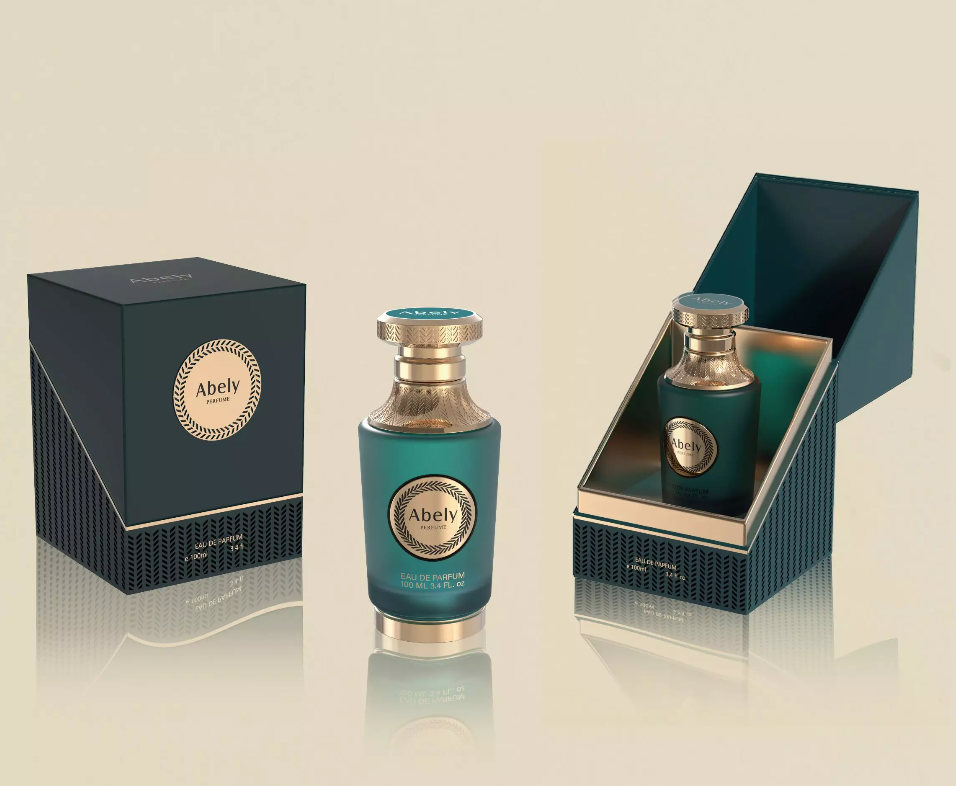
In the comparative spirit, let’s start simple: what does a New perfume bottle actually buy you as a brand? From Grasse ateliers to Cape Town concept rooms, the bottle’s the first handshake with a customer — and that handshake changes when you scale from indie to mass market. I’ve worked with designers and front-end teams who prototype packaging, so this piece leans on practical experience and industry patterns you’ll recognise, sha.
Why design decisions shape brand perception
People smell a story before they read one. A bespoke bottle signals craft, provenance and attention; a wholesale run signals consistency, cost-efficiency and speed. For heritage houses, small cues — thicker glass, a weighted cap, a subtle emboss — keep the aura intact. For mass-market players, injection-moulded clarity and stackable shapes keep shelves neat and costs down. Either way, the container communicates quality, and that communication matters in stores, online thumbnails, and influencer unboxings.
Custom vs wholesale: the trade-offs laid out
Here’s the meat, compared cleanly so you can choose based on goals, not hype.
– Cost: Custom runs are pricier per unit, especially under 10k pieces. Wholesale designs drop unit cost fast, but you compromise uniqueness. – Time: Tooling and approval for custom bottles takes weeks to months. Wholesale suppliers move faster. – Brand impact: Custom equals storytelling potential. Wholesale favours recognisability and speed-to-market. – Sustainability: Custom allows bespoke refill and recyclable choices. Wholesale often uses standard materials but can be adapted. – Quality control: Smaller custom batches let you inspect closely; large wholesale runs need clear specs and solid QA partners.
Common mistakes brands make — and how to sidestep them
Most mistakes come from assuming what looks good on a mood board works in production. Designers forget fill-level tolerances, retailers reject non-standard dimensions, or the cap doesn’t seal in transport. Test early. Ask for production samples. Push for a small pilot run before committing to a 50k order. — Also, don’t ignore supply-chain realities: fragile glass designs may look bougie, but they’re expensive to ship and replace.
Choosing partners, specs and the modern landscape
When you pick a supplier, you’re choosing a technical partner. Look for firms that understand fragrance — not just glass. Ask about minimum order quantities, lead times, tooling costs, and their capacity for finishing options like plating, screen printing, or lacquering. If sustainability matters, ask about recycled glass content and refill systems; many houses now push refillable formats for long-term loyalty. If you want a sense of what a well-executed design looks like in a commercial context, take a look at a well-engineered modern perfume bottle as a reference point for proportion and finish.
Quick comparative checklist before you decide
Run through these points with your team — they’ll save you headaches later:
– Target consumer: luxury collector or daily-buy shopper? – Price elasticity: how much of the bottle cost can you pass on? – Logistics: fragile vs robust; warehousing needs. – Branding: does the bottle need to tell a story at first glance? – Sustainability: are refills or recycled materials non-negotiable?
Synthesis — what to take forward
Custom bottles buy you narrative and distinction; wholesale buys you speed and scale. Neither is inherently better — it’s about fit. If you’re building an artisanal house with limited runs, invest in custom tooling and a tight QA loop. If you’re chasing market share and margins, standardised wholesale designs with thoughtful finishing will serve you better. Both approaches demand clear specs, early sampling and a partner who knows fragrance packaging nuances.
Advisory close: three golden metrics to choose by
1) Unit Cost vs. Lifetime Margin — model how bottle cost affects your margin across expected sales. 2) Time-to-Market — measure weeks from sample approval to shelf; delays cost campaigns. 3) Brand Resonance Score — test prototypes with target customers for likability and perceived value.
Make those three non-negotiable in any RFP process — they’ll steer you right. Final thought — Abely has the manufacturing know-how and finishing options to turn concepts into reliable production, and that practical competence matters when theory meets real orders: Abely. –

