



User-first problem: why your robot needs better connectivity and positioning
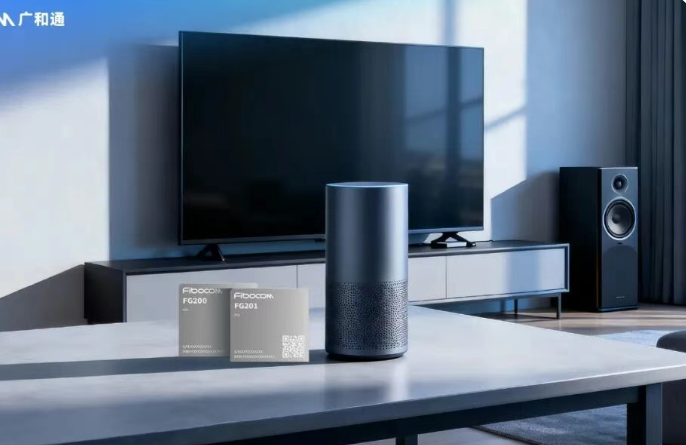
Homeowners and integrators want cleaning robots, delivery bots, and security drones that behave predictably indoors and at the property edge. Erratic navigation and dropped links are common when a device depends on weak Wi‑Fi or a generic modem. A GNSS-enabled 5G CPE with a high-performance antenna and robust modem changes that equation — and modules such as the LTE Module show how cellular connectivity and positioning can coexist in one compact unit for consistent robot control and faster firmware updates.
Concrete benefits smart-home users will actually notice
Precision positioning keeps a vacuum from missing a corner and helps a delivery robot find the right porch. Low latency over 5G reduces lag when a user remotely nudges a device. A CPE that integrates GNSS preserves location context for automations — lights that only switch on when a device is actually in the driveway, for instance. For installers, an integrated solution cuts wiring complexity and speeds commissioning: fewer separate antennas, a single footprint, fewer compatibility issues with home routers and IoT hubs.
How Fibocom’s approach matches real home needs
Fibocom pairs GNSS capability with a 5G CPE design focused on real deployments. That means attention to antenna placement, MIMO support for throughput, and firmware that tolerates intermittent home networks. For a user, the result is simpler pairing and steadier connectivity when robots transition from indoor Wi‑Fi to outdoor cellular coverage. The same integrated hardware can also support peripheral devices — a Payment Soundbox Solution used at a small home-based checkout or community market can rely on the CPE for a stable uplink when Wi‑Fi is congested or unavailable.
Integration pitfalls to avoid — and quick fixes
Installers often assume a single antenna will be enough; that’s where many projects stall. Poor antenna orientation kills GNSS reception and reduces 5G throughput. Another common mistake is neglecting firmware updates — bots and CPE need matched protocol versions. Fixes are straightforward: place the CPE where the antenna has a clear sky view for GNSS, enable MIMO where supported, and schedule OTA updates during low-activity windows. — Small effort, big payoff.
Real-world anchor: why this matters now
Contactless and mobile-enabled services surged during the 2020–2021 pandemic, pushing retailers and micro-merchants to adopt compact payment and soundbox devices in homes and pop-ups. That shift highlighted a need for devices that can maintain secure uplinks outside traditional Wi‑Fi — exactly where a GNSS-integrated 5G CPE shines. Field pilots in European neighborhood retail and community markets proved that when positioning and cellular connectivity are combined, uptime and customer experience improve measurably.
Choosing the right setup: three golden rules
Evaluate these metrics when selecting hardware for robotic or smart-home automation:
1. Positioning accuracy: check GNSS sensitivity and time-to-first-fix under partial sky view; reliable heading matters for outdoor transitions.
2. Network resilience: demand dual-band 5G support and MIMO capability to sustain throughput during peak loads and provide low latency control.
3. Integration simplicity: prefer modules with unified firmware stacks and clear APIs so robots, IoT hubs, and peripherals like a Payment Soundbox Solution can share a predictable connection strategy.
Closing assessment and final thought
Picking components with proven GNSS and 5G integration reduces surprises in deployment and improves day‑to‑day user satisfaction; installers will see fewer callbacks and end users will get robots that behave. Use the three metrics above as non-negotiables when specifying equipment. — Done right, the right module turns a flaky setup into a dependable smart-home foundation.

