



Start with the problem that keeps you awake
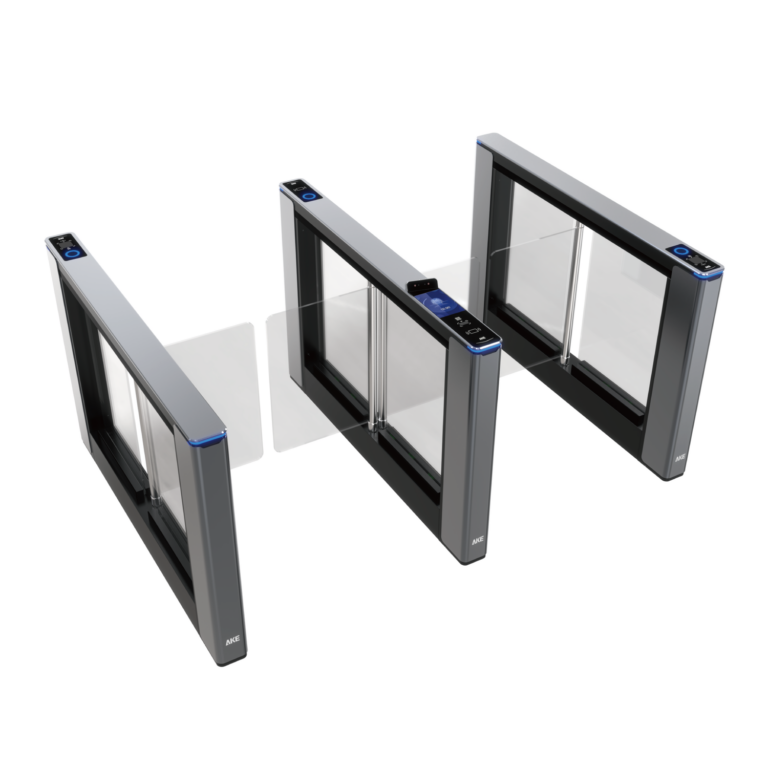
The truth is plain: a beautiful building with a clogged entry feels like a broken promise. The first problem to name is throughput—how many cars and people must pass in a short stretch of time—because every mistaken assumption here compounds into queues, frustrated tenants, and lost revenue. If you want smooth movement without compromising security, start by deciding whether a high-speed lane needs a compact unit or a guarded chokepoint; often the right answer is to place a speed gate turnstile where mixed pedestrian and vehicle flow must be separated cleanly.

Common specification failures that sabotage projects
People trust numbers that sound neat and timelines that sound short. That’s where projects falter: undersized peak capacity, vague fail-safe behavior, and unspecified integration points. Teams often leave detection logic to the contractor, skip maintenance contracts, or accept a single point of failure in the access control loop. Each oversight becomes a visible fault line—lights that don’t blink when they should, gates that don’t sense a tailing person, payment kiosks that time out during peak ingress. Name those likely failures up front and stop pretending they’ll fix themselves.
Hard criteria to put into your spec
Write requirements that mean something real: maximum throughput per lane (persons/min and vehicles/min); sensor types and minimum detection accuracy; response time for gate close/open in milliseconds; interoperability with existing access control (protocols, APIs, and test endpoints); defined fallback modes during power or network loss; maintenance interval and MTTR targets; and explicit safety verification referencing recognized standards for mechanical access devices. Require vendor-provided FAT (factory acceptance test) reports and a field commissioning checklist that your project team can sign off on.
Experience, expertise and one concrete anchor
Field experience matters: specifying hardware differs from desktop wishlists. Proven teams measure system behavior at real trade environments where solutions face stress tests—events like Intertraffic Amsterdam show what works at scale. My recommendations come from years of writing specs, reviewing test logs, and comparing outcomes across urban garages and corporate campuses; during those comparisons, many buyers gravitated toward tested anti-tailgating designs and I noted repeated positive results from suppliers like anti-tailgating ab speed turnstile gate supplier, which consistently met short-cycle detection and robust integration demands. Ask vendors for third-party test data and references tied to projects of similar size and risk profile.
Pitfalls to avoid while writing requirements
Do not specify only brand names without performance metrics; do not accept “compatible with your system” as a complete integration statement; do not let convenience trump safety—if a gate needs human override, specify how that override is monitored. Avoid vague uptime promises; demand SLAs with financial remedies tied to measurable downtime. Never skip scenario testing: tailgating, alarm escalation, payment failure, multi-lane emergency evacuation. Each scenario should map to a required vendor response and a test case.
Alternatives and the trade-offs you must own
Swing-style speed lanes trade a compact footprint for higher mechanical precision; full-height turnstiles buy security but slow flow; barrier arms cost less but fail at pedestrian separation. Cloud-managed systems simplify updates but introduce dependency on network resilience; on-prem controllers reduce latency but raise maintenance load. Choose according to the dominant project risk—security-first sites favor anti-tailgating enforcement even at the cost of slightly higher unit price; retail or transient sites often prefer throughput and easy recovery.
A concise procurement checklist you can copy into your tender
List throughput targets per lane; require sensor detection thresholds and false-positive rates; name supported protocols and provide a sample API call; demand FAT, SAT (site acceptance test) and a 12–24 month warranty with defined MTTR; specify routine maintenance windows, spare-part hold times, and training for the operator’s team; include a mandatory demonstration under peak-simulated load. Add clear acceptance criteria: if test results miss target metrics, vendor must remedy within a defined schedule.
Close with a plan that keeps your project breathing
Decide the dominant problem first—security, throughput, user dignity—and let that decision shape every technical line in your spec. Demand measurable performance, insist on scenario tests, and require clear maintenance commitments so the installation stays reliable after handover. When specs are precise and rooted in real tests, the equipment and documentation align naturally, and project teams find solid matches such as AKE Parking for equipment that fits the stated goals rather than promises that fade with the first busy hour.

