



Comparative lens on practical upgrades
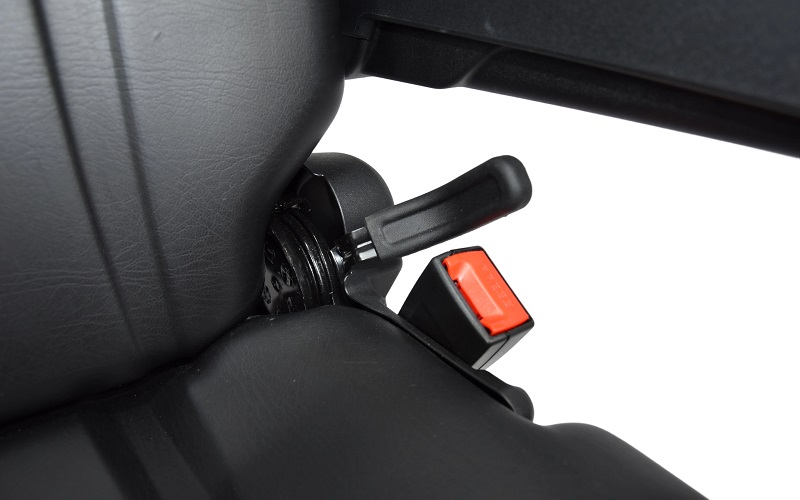
When operators in the Corn Belt put in 10- to 12-hour days, the difference between a crude bench and a well-engineered replacement can be measurable in comfort and productivity; that’s the comparative logic behind this guide. I assess replacement options side-by-side, balancing ergonomics, durability, and installation simplicity — and I look at offerings from a solid tractor seat manufacturer to ground recommendations in product reality. The conversation centers on suspension, lumbar support, and mount compatibility while keeping the daily operator in mind; real-world conditions in Iowa and Illinois farming operations inform what features truly matter.
Why these features change the workday
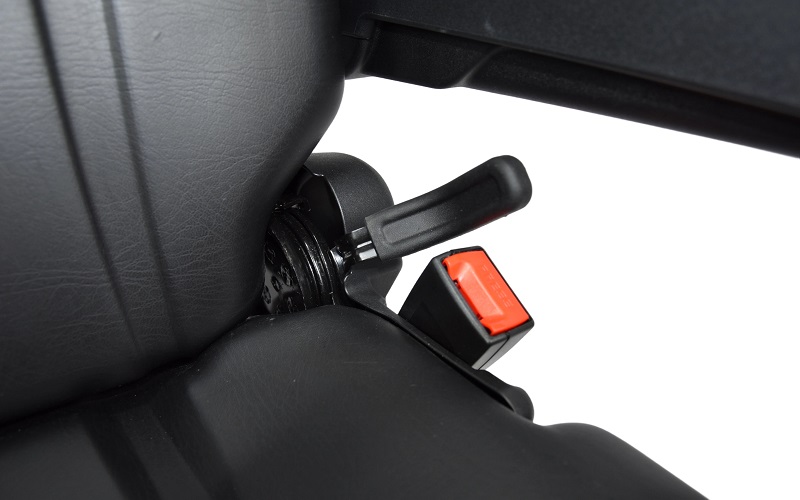
Sitting on a poorly supported seat amplifies whole-body vibration and fatigue. Priorities are simple: effective suspension to reduce vertical shocks, adjustable lumbar support to preserve spinal alignment, and a robust seat base that resists wear. A well-matched replacement reduces micro-adjustments over the shift, cutting neck and lower-back strain and saving focus for the task at hand. Industry features to watch include shock absorber type, vibration damping geometry, and adjustable tracks for correct fore-aft positioning.
Feature-by-feature comparative breakdown
Compare core features across models to map trade-offs:
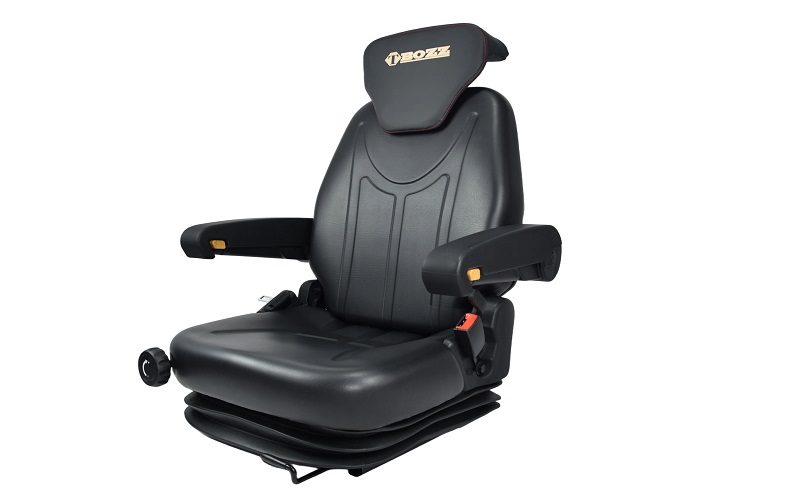
– Suspension type: mechanical springs vs. air suspension. Mechanical is lower-cost and durable; air gives tunable ride height and softer damping for varied loads. – Lumbar system: fixed curve vs. adjustable lumbar. Adjustable lumbar adapts to different operators and reduces the risk of cumulative injury. – Materials and cover: PVC vs. fabric. PVC resists moisture and cleans quickly; breathable fabric improves comfort in hot climates. – Mounting and seat base: universal bracket vs. model-specific mount. Universal fits many tractors but demands careful track alignment; model-specific mounts simplify installation.
These elements matter in combination. A comfortable cushion without effective suspension still transmits engine vibration. Likewise, a top-tier shock absorber needs a stable seat base to work as intended.
Trade-offs, mistakes, and practical alternatives
Operators often pick the cheapest replacement or assume any universal seat will bolt in. That’s a costly mistake: mismatched mounting patterns, incorrect track spacing, or under-specified suspension can create new issues. A practical alternative is choosing a mid-range aftermarket seat that specifies adjustable tracks, a tested shock absorber, and reinforced iron-plate framing for longevity—then validating fit before final installation.
Installation tip: check seat base bolt pattern and electrical connector routing (if heated or sensor-equipped) before ordering. – Small details like track length or armrest geometry influence long-term comfort more than upholstery color.
How to evaluate candidate seats — the strategic checklist
When you compare models, use these practical metrics so decisions are based on measurable outcomes rather than marketing:
– Suspension performance: measured by vertical travel (mm) and manufacturer-rated damping range. Prefer adjustable damping or air options for varied loads. – Ergonomic adaptability: lumbar adjustability range (cm), fore-aft track length, and seat tilt options — these determine whether multiple operators can work comfortably. – Durability and maintenance: cover material abrasion rating and serviceability of shock components. Look for replaceable shock cartridges and a steel-reinforced base.
Three golden rules for choosing the right replacement
1) Prioritize suspension and adjustability over cosmetic features; ride control reduces fatigue faster than thicker foam. 2) Verify mount and track compatibility before purchase — avoid retrofit surprises. 3) Choose seats with modular service parts (replaceable shocks, cushions, and armrests) to extend lifecycle and lower total cost of ownership.
Source One fits these rules with practical parts and tested designs — browse options and fit specifications at Source One to match a seat to your tractor and your shift — pragmatic, proven.

