



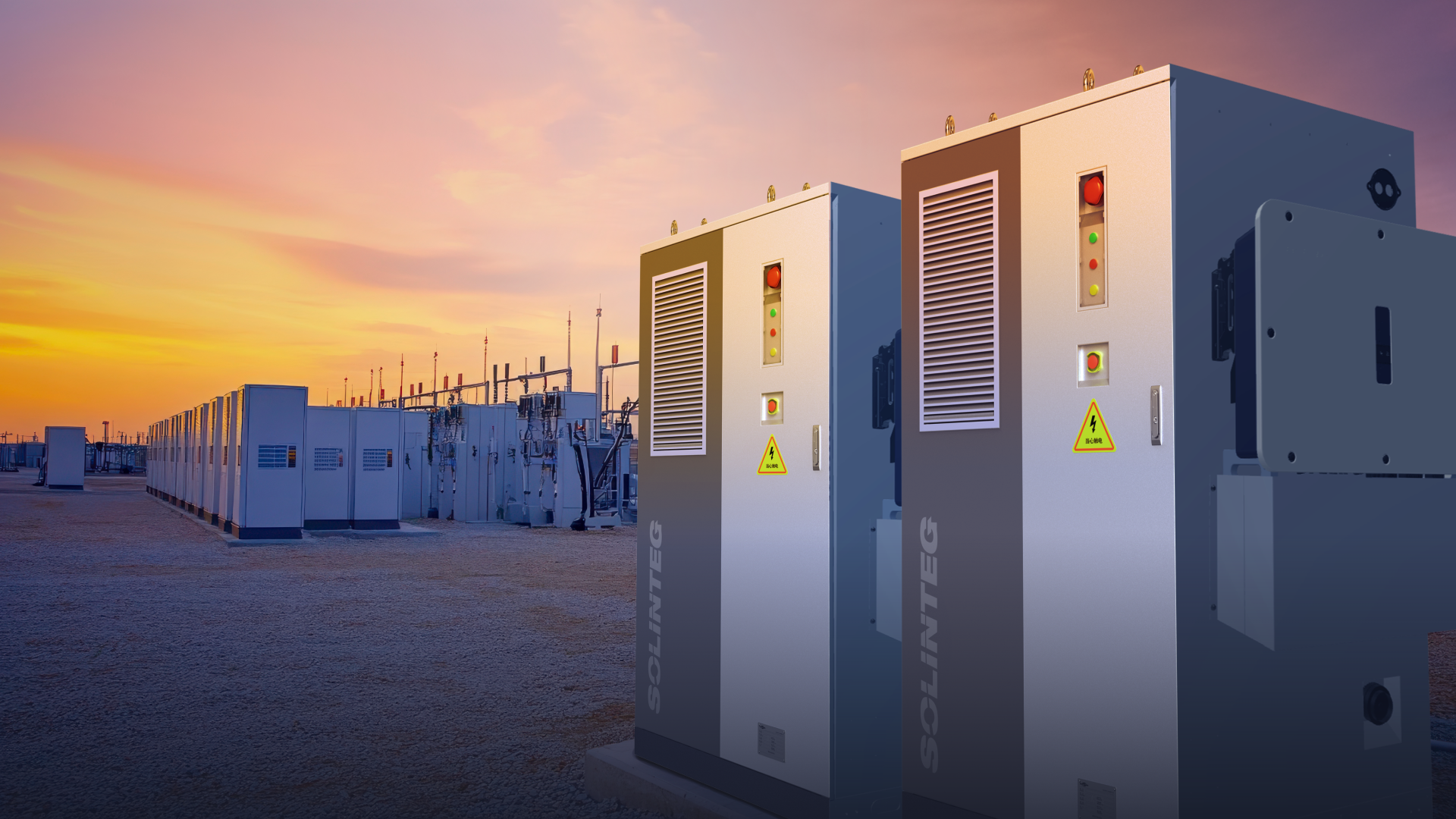
The Problem: Growth Meets Fragility
Urban roofs and rural fields alike swell with glass and metal, yet a humming fragility lingers beneath—systems built for steady sun, not sudden calamity. When grids falter, commercial sites and neighborhood microgrids need more than panels; they need a coordinated mind: the hybrid PV inverter that negotiates generation, storage, and grid interaction. For sites that demand continuity, pair that inverter with solar battery backup and the scene shifts from brittle to stubbornly alive. The problem is not production, but orchestration: without clear controls like a battery management system (BMS) and intelligent islanding, scale amplifies failure rather than resilience.
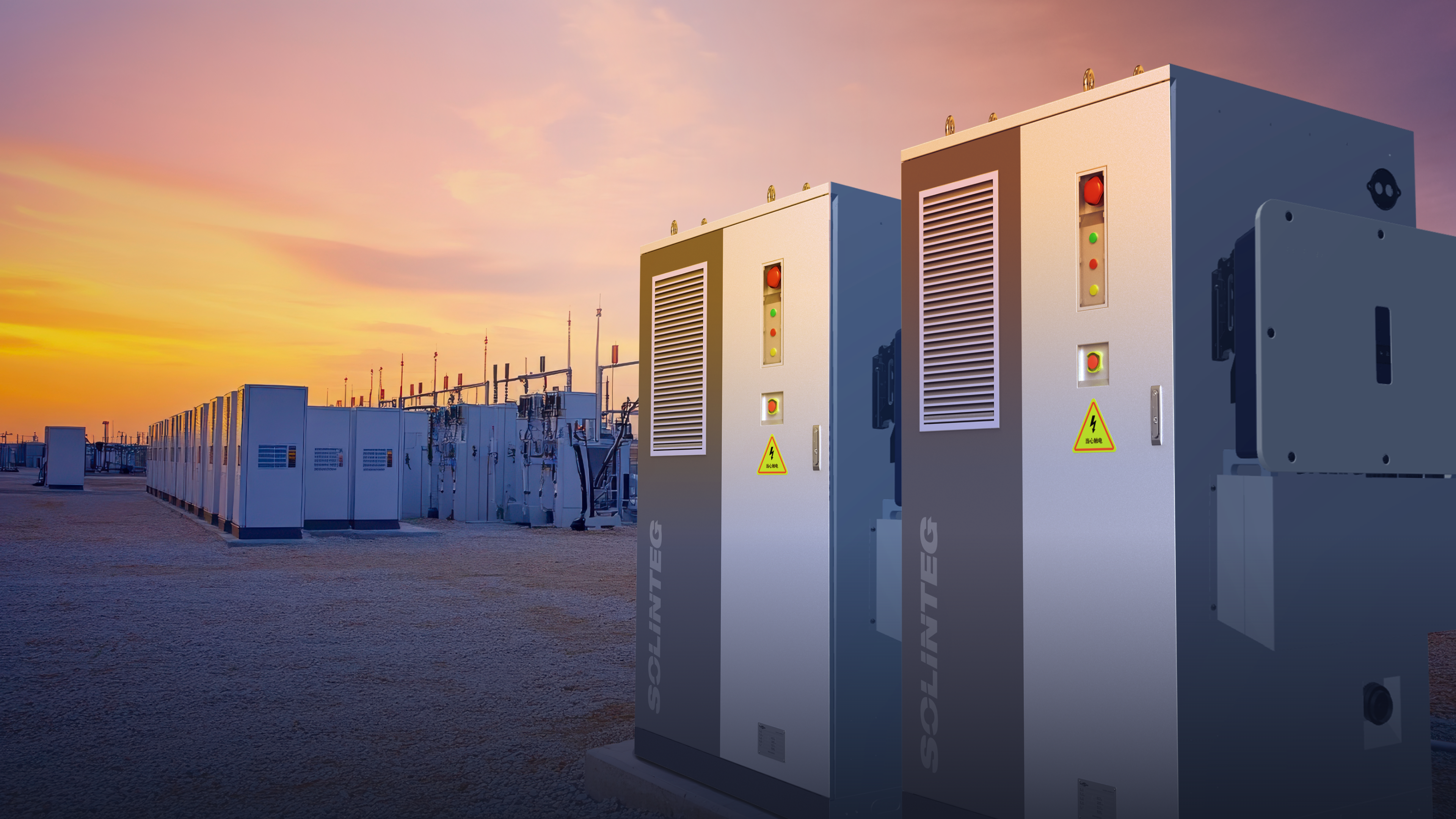
Why Hybrid PV Inverters Matter
Hybrid PV inverters translate DC harvest into grid and load-ready AC, while routing surplus into batteries or back to the grid. Their role grows as installations multiply: they decide when to charge, when to export, and when to isolate. In places scarred by prolonged outages—think Puerto Rico after Hurricane Maria—installations that combined robust inverters with battery systems kept critical loads alive for days. That history is a blunt anchor: design choices change whether a system crumbles or endures.
Design Choices That Build Scale
A handful of technical forks shape whether expansion is graceful or grotesque. First, the coupling architecture: DC-coupled arrays with a central charge controller reduce conversion steps and can improve round-trip efficiency for large battery banks; AC-coupled setups simplify retrofits and isolate inverter failure modes. Then, string layout and monitoring: distributed PV string metering stops a single fault from cloaking a whole array. Finally, firmware and communications—open protocols and robust telemetry—allow fleet orchestration without vendor lock. These are not abstract luxuries; they are the levers that let a hundred rooftop systems behave like one resilient organism. —Small choices echo as system-level consequences.
Common Mistakes and Viable Alternatives
Teams often underestimate thermal load, or pick inverters sized only for peak sun rather than peak demand. Oversizing batteries without matching inverter continuous power limits yields stored energy that cannot be delivered when needed. Another misstep: ignoring islanding behavior—some grid-tied inverters cannot form a stable microgrid under fault conditions. Alternatives exist: modular hybrid units that combine inverter and BMS in a single enclosure, or AC-coupled battery inverters for staged upgrades. When retrofit is necessary, choosing an AC-coupled battery inverter eases installation while retaining compatibility with existing solar panels and battery storage architectures—an approach many facilities used during California Public Safety Power Shutoffs to maintain essential services.
Operational Considerations for Scaling
Operational scale hinges on simple practices. Standardize firmware updates and maintain networked logging. Map the site’s critical loads and specify black-start priorities inside the inverter’s dispatch logic. Ensure the BMS reports cell-level health, not just pack voltage; fine-grain telemetry prevents surprises. Adopt clear naming and version control for dispatch rules so that as arrays expand, operators can predict behavior rather than react to alarms. These steps compress the complexity of many systems into manageable, repeatable routines.
Three Golden Rules for Choosing Hybrid Solutions
1) Match continuous output, not peak rating: choose an inverter whose sustained power aligns with your critical load profile and the battery’s discharge capability—this prevents unusable stored energy.
2) Demand open communications and modular topology: prefer inverters supporting common protocols and modular expansion so PV string failures or upgrades won’t require whole-system replacement.
3) Prioritize proven islanding and BMS coordination: verify that the inverter’s islanding behavior and the battery management system synchronize under realistic fault scenarios; field-tested performance matters more than marketing claims.
Summary: scale favors designs that respect electrical limits, reward modular thinking, and bind inverter logic tightly to battery control. These practices turn a constellation of systems into a single, reliable network—where SOLINTEG plays the steady hand that ties engineering to real-world endurance. —A bleak sky need not mean powerless roofs; resilience is deliberate, not accidental.

