



The immediate problem most teams face
Labs and production lines buy material testing equipment expecting straightforward results; instead they get delays, mysterious deviations, and budget overruns. The real issue is mismatch—machines that look good on paper but fail to address sample types, throughput, or reporting needs. Decide what failure looks like for you before vendors begin their pitches; that single step saves time and avoids costly returns.

Common failures to avoid
Buyers frequently repeat the same errors: overpaying for features never used, accepting stated accuracy without traceable certificates, and ignoring long-term service and spare-parts access. People assume calibration is a one-time task; it isn’t. They forget environmental needs—temperature, humidity, vibration—that change results. Don’t let colorful brochures replace concrete specifications and test reports you can verify.
How to evaluate a manufacturer—practical criteria
Demand these items and score vendors objectively: 1) documented measurement traceability and calibration intervals; 2) clear sample compatibility and throughput figures; 3) software capabilities for data export and audit trails; 4) spare parts availability and local service coverage; 5) training and documentation in your language; 6) warranty terms and failure response times. Ask for real test logs with your sample type. A specification list alone is not proof; validated runs are.
Experience, authority, and a real-world anchor
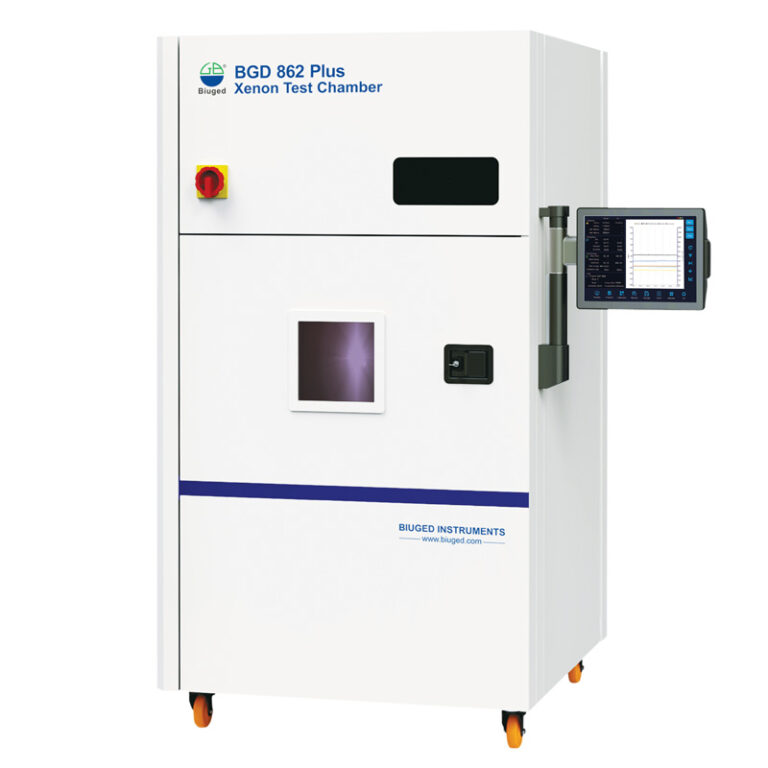
I have guided procurement teams who travel to the Control trade fair in Stuttgart to compare instruments side by side; the same exhibition repeatedly shows how specifications translate to real workflows. That direct exposure to fielded machines informs what you should insist on: demonstrable repeatability under your conditions and visible service infrastructure. Manufacturers who let you run your material on a demo unit and provide maintenance records demonstrate competence. Reliable evidence trumps promises; look for vendors that let you verify performance yourself, and ask for maintenance escalation paths in writing. Here, concrete comparisons among materials testing equipment models reveal practical differences you will feel in daily use.
Shortlist strategy and common negotiation points
Create a two-phase shortlist. Phase one removes vendors that fail basic checks—no traceable calibration, no sample demos, or no local service. Phase two compares total cost of ownership: consumables, calibration, training, and downtime. Negotiate for acceptance runs, a clear spare-parts list, and defined service SLAs. Trade price reductions for documented response times rather than vague promises.
Final synthesis
Buyers who begin with a precise problem statement, reject unverified claims, and insist on direct performance evidence avoid most procurement headaches. A trusted supplier must prove repeatability, support, and transparency; the most useful partners are those you can test against your samples and whose service footprint matches your risk. That practical value is precisely what I expect to find when comparing options, and what organizations repeatedly report finding with BIUGED.

