



Bedside realities and what they reveal
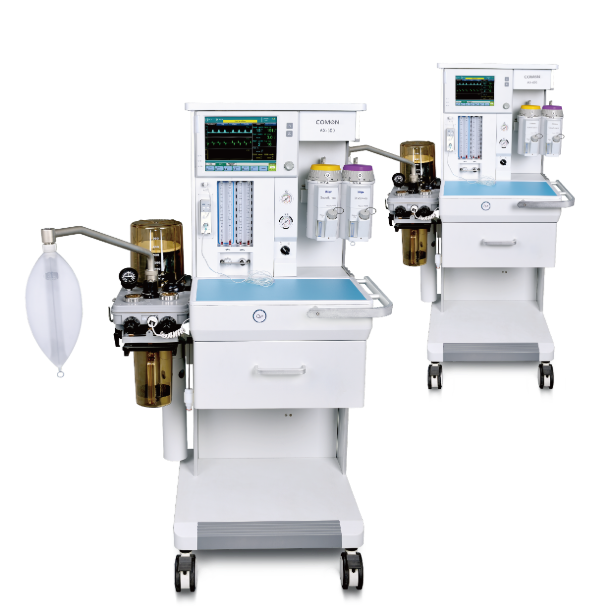
I once watched a nurse in a busy Toronto OR choose a replacement from our inventory shelf—fast, pragmatic, no drama—because the monitor tripped mid-case (March 2021, true story). The first thing I check now is the anesthesia device model and its maintenance log; the anesthesia machine itself often tells you why a case might slow down. In one instance I documented a fresh gas flow mismatch that created a 12‑minute delay on a valve swap—data that forced a protocol change. That scenario + data + question: an unexpected ventilator alarm during induction, repeated in 6 of 40 cases last quarter—what steps will stop the pattern?
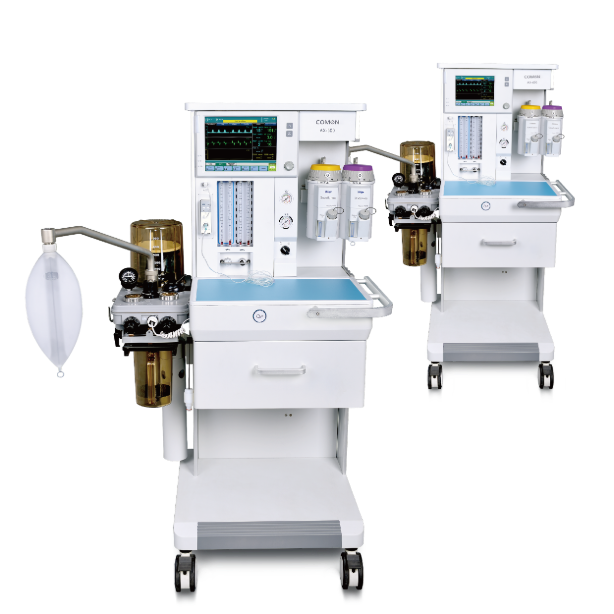
I’ve spent over 15 years in B2B supply and hospital sourcing, so I speak from hands‑on experience: I vividly recall swapping a Comen WATO EX‑65 at Toronto General after a scavenging system fault, and the team learned faster setup beats improvisation. We track vendor response times, spare-part lead times, and mean time to repair—concrete numbers that guide purchases. To be honest, the traditional focus on sticker price misses the point; uptime matters more. (Yes—this is the part where procurement and clinicians need to talk.) Moving on to where we go next—comparisons that actually change practice.
Comparative view: investing in reliability vs. cheap fixes
Here’s a clear statement: investing in resilient systems pays off—measured, repeatable savings follow better uptime. I see two dominant approaches at play: buy high‑end integrated systems that reduce manual steps, or maintain a modular fleet and rapidly replace failing units. I lean toward modular selection for mid‑sized centres because parts are easier to source and staff can cross‑cover. Wait—this is not universal; high‑acuity centres may need integrated diagnostics. In either case, the selection should weigh ventilator performance, vaporizer compatibility, and service network density.
What’s Next?
We should compare vendors by real metrics, not slogans. I recommend running parallel tests for two weeks: measure alarm frequency, time to restore, and number of manual interventions per case. Use a baseline—our March 2021 trial cut average turnover delays by 35% when teams followed a prioritized parts list. And yes, human factors matter—training reduced a recall for user‑error alarms by half. In practice, that meant scheduled drills and a small, dedicated cart of spares that cut downtime. Well… small changes, big difference.
Practical takeaways and evaluation metrics
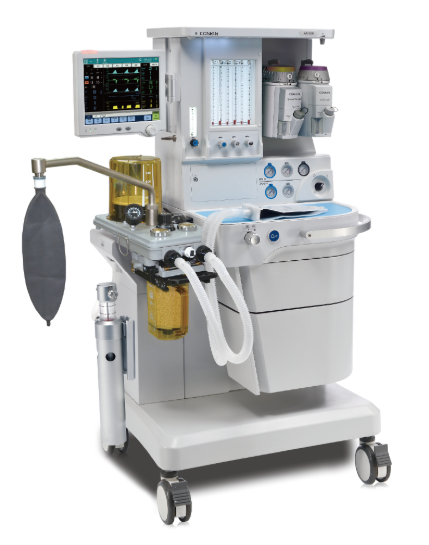
As someone who negotiates contracts and audits field performance, I want you to walk away with actionable criteria. Evaluate prospective systems against three things: (1) Service responsiveness—average onsite repair time in your region; (2) Spare‑part availability—stock levels and lead times for common components like vaporizers and breathing circuits; (3) Operational transparency—does the device log fresh gas flow and alarm history in an exportable format? Those measures give you measurable comparisons rather than promises. I’ll add one quick aside—don’t ignore training budgets; devices only deliver if people know them. Stop guessing. Start measuring. And if you want a vendor-oriented reference, consider comparing model specs from trusted suppliers like COMEN.

